
To access our unique news archive of over 1,400 articles with insights on over 500+ sustainable sports organisations, join the GSS Network today.
Login here if you are a registered network subscriber.
News article
UN calls for sport to move beyond participation and demonstrate its real impact on sustainable development
A new United Nations report has called for a fundamental shift in how sport contributes to sustainable development, urging governments, sporting organisations and development agencies to move beyond participation figures and demonstrate measurable, long-term social impact. The findings, reinforced by discussions at the 81st United Nations General Assembly, highlight both the enormous potential of sport and the persistent challenges of turning good intentions into meaningful change.
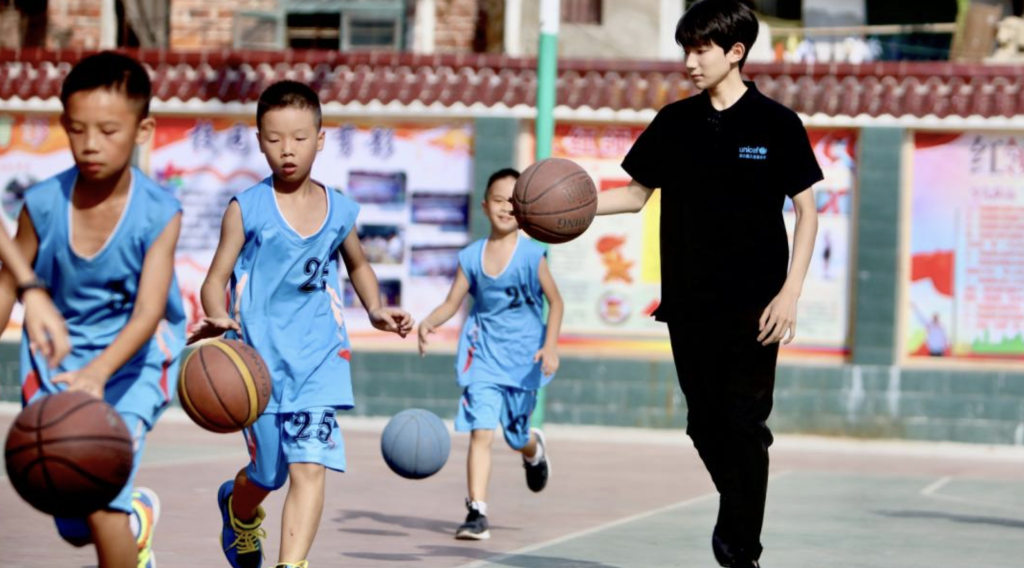
From participation to impact
The UN Secretary-General’s report, Unlocking the Full Potential of Sport for Development and Peace, examines progress between February 2024 and January 2026, drawing on 85 submissions covering 158 initiatives.
The findings demonstrate sport’s growing contribution to health, education, gender equality, social inclusion and peacebuilding. However, they also expose significant weaknesses in funding, coordination and impact measurement.
Of the initiatives reviewed, 81% involved multiple stakeholders, yet only 45% received external funding, raising questions about their long-term sustainability.
The report also identifies considerable disparities across the Sustainable Development Goals (SDGs). Health and well-being featured in 62% of initiatives, gender equality in 56%, and partnerships and reduced inequalities in 53% each.
By comparison, just 22% addressed climate action and 23% decent work and economic growth, suggesting opportunities to broaden sport’s contribution to sustainable development.
Africa Forward: Empowering the next generation
These challenges were explored during the UN General Assembly in New York through Africa Forward: Harnessing Sport for Inclusion, Youth Empowerment and Sustainable Development, held on 21 September.
Organised by the Nigeria American Football Association, alongside the Cleveland Browns, NABU and the African Union Development Agency (AUDA-NEPAD), the event examined how sport can create pathways into education, employment and wider social opportunities.
Melissa Martin Rountree, Social Affairs Officer at the UN Department of Economic and Social Affairs, emphasised the importance of measuring outcomes rather than activities.
“We need to look at the long-term outcomes beyond schooling as well, not just the immediate outputs. Is sport helping them stay in education? Are they accessing training, employment and volunteer opportunities?”
Her comments reflect a broader challenge facing the sports industry: demonstrating what changes because of sport, rather than simply recording what takes place.
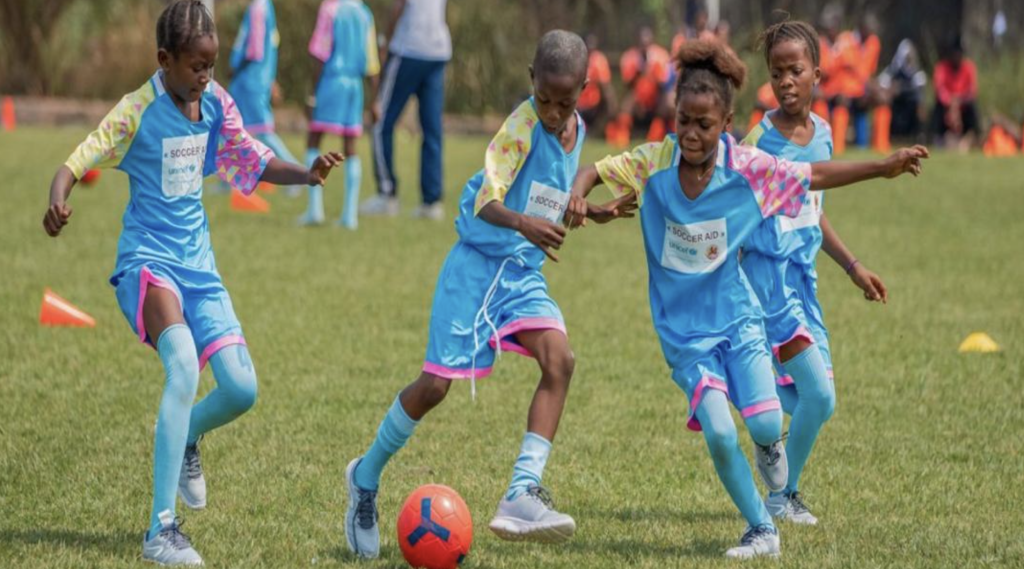
“We need to look at the long-term outcomes beyond schooling as well, not just the immediate outputs. Is sport helping them stay in education? Are they accessing training, employment and volunteer opportunities?”
Inclusion requires better evidence
The UN report also highlights persistent inequalities affecting women and girls, people with disabilities, refugees and disadvantaged communities.
With approximately 1.8 billion adults and 81% of adolescents insufficiently physically active, accessible and inclusive sport remains a major global development priority.
Martin Rountree stressed that programme design must reflect the experiences of those it intends to support.
“We need to engage young people in program design so that interventions address the barriers they face.”
She added:
“We need to know not only how many young people are benefiting, but which young people are benefiting.”
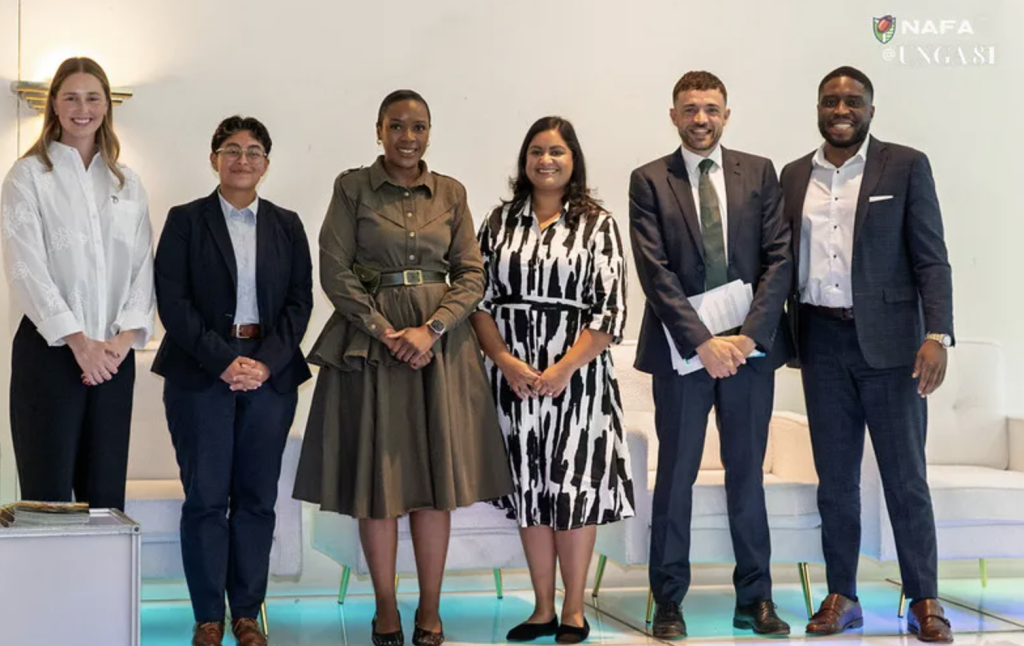
“We need to engage young people in program design so that interventions address the barriers they face ... We need to know not only how many young people are benefiting, but which young people are benefiting.”
Turning purpose into measurable change
The UN recommends stronger integration of sport into national development policies, more sustainable financing, improved research and a review of its 2018 Action Plan on Sport for Development and Peace.
For sport, the findings reinforce the importance of evaluating sport through a broader sustainability, purpose and impact framework.
Participation, partnerships and programmes are important, but they represent activity rather than impact.
The challenge is to establish whether those activities produce lasting improvements in people’s lives, communities and the environment.
Sport’s potential to contribute to sustainable development is increasingly recognised. The next challenge is demonstrating, through credible evidence, that this potential is being realised.
Sources: UN Secretary-General’s Reports
New UN report calls for more inclusive and evidence-based action to unlock the potential of sport
Read moreUN Department of Economic and Social Affairs









Join the GSS Alliance Partners programme today
Stay ahead of the game with our FREE weekly newsletter, delivering the latest sport and sustainability news from around the globe straight to your inbox
11th Hour Racing
Join the GSS Network programme today

15-16 October, 2026
Gtech Community Stadium,
London (UK)
The SPX Purpose League Summit is a working summit for decision-makers interested in activating sport in a purpose-led way. Attendees will leave with an aligned peer network, data-backed insights, and the strategic commercial toolkits to transform sponsorship from an outsourced marketing expense into the single greatest driver of value.


Register for GSS Workshops today
Join the GSS Education programme today