
To access our unique news archive of over 1,400 articles with insights on over 500+ sustainable sports organisations, join the GSS Network today.
Login here if you are a registered network subscriber.
News article
Seven days that strengthen Sweden: How sport is demonstrating its value to society
A new report from the Swedish Sports Confederation (Riksidrottsförbundet) reveals how sport contributes to Swedish society every week, highlighting the importance of participation, volunteering, education and community engagement alongside elite sporting performance.

With more than three million members, 18,000 sports clubs and 72 national sports federations operating across all 290 municipalities, Sweden’s sporting movement represents one of the country’s most significant social assets.
The report, A Week in the Sports Movement – Seven Days That Strengthen Sweden, examines how sporting activity contributes to healthier communities, stronger social connections and economic development.
Anna Iwarsson, Chair of the Swedish Sports Confederation and SISU Sports Educators, explained:
“The sports movement is one of Sweden’s largest popular movements. Every day, people gather in sports clubs around the country to train, learn and get involved.”
The report demonstrates how this collective engagement generates benefits extending far beyond sporting performance.
"The sports movement is one of Sweden's largest popular movements. Every day, people gather in sports clubs around the country to train, learn and get involved."
Participation: Two million people active every week
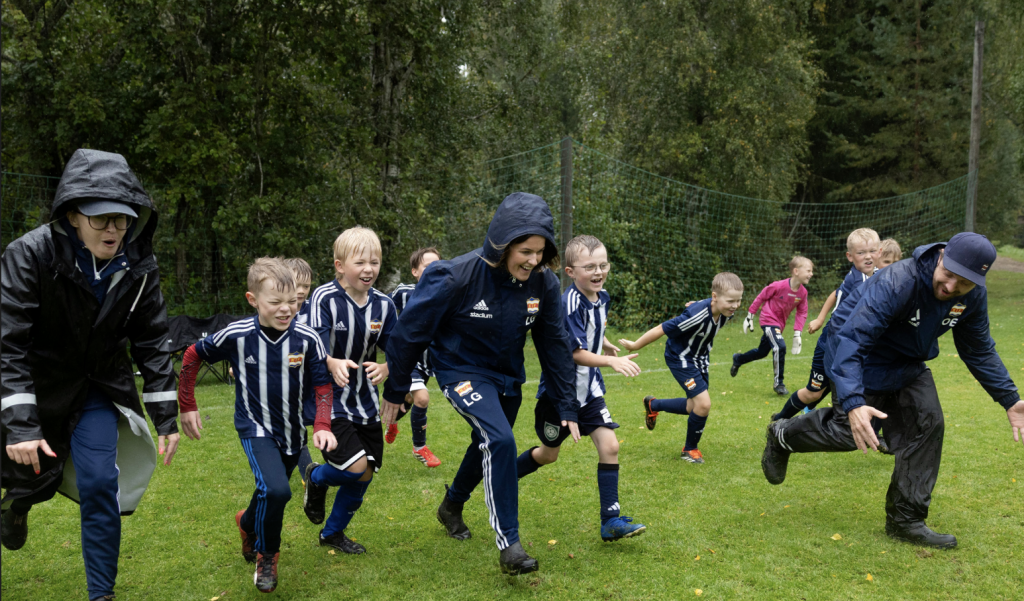
Every week, approximately 750,000 children and young people participate in organised sport, alongside 1.3 million adults.
Around 50% of young people aged 7–25 belong to sports clubs, while nearly 4,000 clubs provide activities for people aged 65 and over.
Importantly, the report highlights that health and wellbeing are stronger motivations for young people to exercise than competition and performance.
This reinforces the opportunity for sport to position participation as a central contribution to public health rather than simply a pathway towards elite performance.
Volunteers: The hidden economic value of sport
Sweden’s sporting movement depends on approximately 850,000 volunteers undertaking coaching, officiating, administration and leadership responsibilities.
During an average week, around 680,000 people undertake voluntary leadership activities, representing an estimated replacement value of SEK 450 million.
Beyond their economic contribution, these volunteers support community cohesion and democratic participation.
More than 400 club annual general meetings take place every week, providing opportunities for members to participate in decision-making.
The proportion of women serving on national sports federation boards has also increased from 27% to 49% over the past decade.
Education, events and economic contribution
Through SISU Sports Educators, approximately 20,000 people participate in educational activities every week, supporting leadership development, inclusion and organisational improvement.
Sport also attracts substantial public engagement.
Around 1.3 million people attend sporting events weekly, while nearly six million follow sport through the media.
Major events generate additional economic benefits. The 2025 Ice Hockey World Championship in Stockholm contributed approximately SEK 730 million in tourism revenue to the region.
Measuring sport’s wider purpose and impact
The Swedish report provides an important example of how sporting organisations can demonstrate their wider contribution to society, particularly through participation, community engagement, volunteering and economic activity.
Global Sustainable Sport’s SPI Assessment Programme evaluates sporting organisations across the Seven Sustainable Pillars of Sport: Partnerships, Participation, People, Planet, Power, Profile and Prosperity.
Three Swedish sporting organisations have already reached the GSS SPI Purpose Podiums, all achieving a C – Purpose Established rating.
Malmö FF leads the Swedish organisations, achieving a place in the Global Top 100, followed by the Swedish Football Association in the Global Top 150 and the Swedish Athletics Association in the Global Top 200.
With Sweden’s extensive sporting infrastructure and strong commitment to community participation, there is considerable potential for more Swedish sporting organisations to reach the Purpose Podiums as the assessment programme expands.
The Swedish Sports Confederation’s report demonstrates the importance of measuring sport’s contribution beyond sporting performance, providing an opportunity to connect participation and social impact with the wider economic and commercial value of sport.
A different measure of sporting success
Sweden’s experience raises an important question for the global sports industry: Should sporting success be measured not only through medals, audiences and revenues, but also through the number of people whose lives sport improves?
The Swedish Sports Confederation’s report demonstrates that sport’s greatest asset may not simply be its elite athletes, but the millions of people participating, volunteering and connecting through sport every week.
Seven days of sport. A stronger society. And a compelling case for making participation and social impact central to sport’s future.
Read moreSwedish Sports Confederation






Join the GSS Alliance Partners programme today
Stay ahead of the game with our FREE weekly newsletter, delivering the latest sport and sustainability news from around the globe straight to your inbox
11th Hour Racing
Join the GSS Network programme today
Register for GSS Workshops today
Join the GSS Education programme today