
To access our unique news archive of over 1,400 articles with insights on over 500+ sustainable sports organisations, join the GSS Network today.
Login here if you are a registered network subscriber.
News article
BENCHES: How sport is turning biodiversity research into meaningful environmental action
From restoring forests in Bavaria to protecting marine wildlife and creating urban habitats, the European-funded BENCHES project is helping sporting organisations understand, measure and reduce their impact on biodiversity.
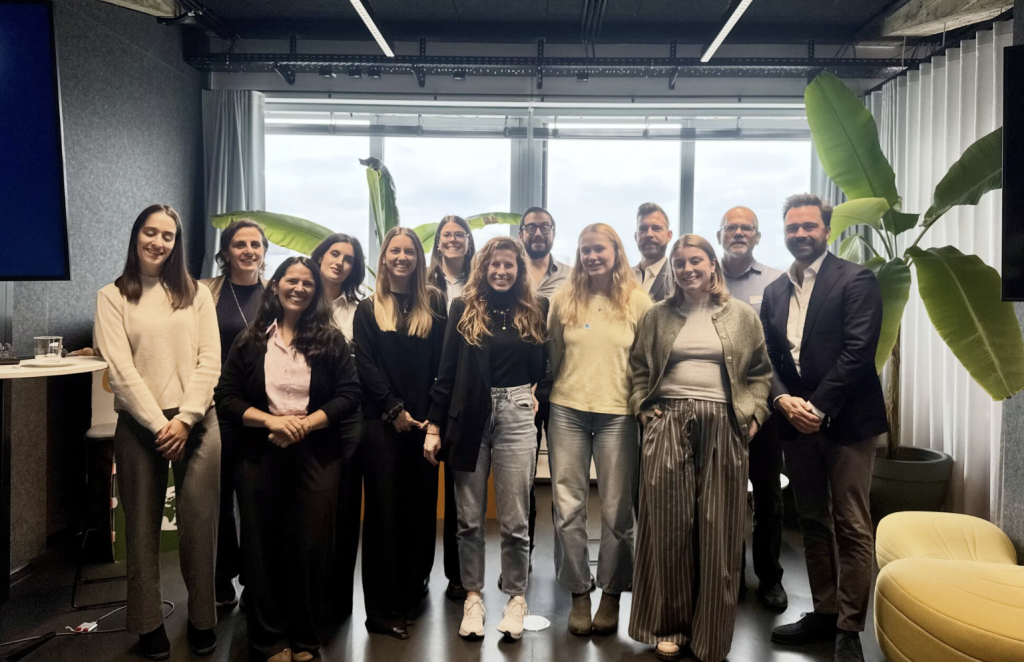
The BENCHES (Biodiversity, Ecosystems and Nature Conservation Helped and Enhanced by Sports) project is bringing together international sports federations, clubs, researchers and environmental specialists to integrate biodiversity into the sustainability strategies of sporting organisations.
Supported by the European Union’s Erasmus+ Sport programme, BENCHES involves World Athletics, the International Biathlon Union (IBU), World Sailing, the Italian Canoe and Kayak Federation, SL Benfica, Sant’Anna School of Advanced Studies and Touchline.
At its Sport and Biodiversity Conference, moderated by Matthew Campeli, Managing Director of Touchline Earth, representatives shared practical initiatives demonstrating how sport can move from environmental awareness towards measurable action.
Developing a biodiversity assessment tool for sport
A central achievement of BENCHES is the development of a publicly available biodiversity assessment tool designed specifically for sporting organisations.
The tool examines biodiversity management across four areas: organisations, facilities, event management and environmental pressures associated with sporting events.
It enables organisations to identify biodiversity risks, assess their environmental impact and develop practical improvement strategies across different ecosystems.
Research conducted through the project, involving 173 survey respondents, also explored the barriers, opportunities and benefits associated with biodiversity management.
IBU: Creating a Forest of Champions
The IBU demonstrated how sporting performance can contribute directly to environmental restoration.
Its Forest of Champions initiative, developed with Bavarian State Forestry and sponsor Viessmann, rewards athletes finishing in the top six at competitions with trees planted in their honour.
During the 2025–26 season, the initiative generated 1,231 trees representing athletes from 23 nations.
Barbara Rettenbacher, Sustainability Assistant, at the IBU, emphasised the importance of connecting sustainability to local communities:
“I think having the local level really puts this personal aspect to it, and then motivates people to go the extra mile.”
"I think having the local level really puts this personal aspect to it, and then motivates people to go the extra mile."
Benfica: Bringing biodiversity into football
Portuguese football club SL Benfica presented its approach to integrating biodiversity into stadium operations, procurement and training facilities.
Sustainability Manager Maria Helena Estevez highlighted initiatives including sustainable sourcing, supplier traceability, wildlife habitats and native tree planting.
The club has planted approximately 130 cypress trees at its training campus and committed to planting 50,000 trees over five years in partnership with Oliveira do Hospital, supporting areas affected by wildfires.
World Sailing: Protecting marine wildlife
World Sailing highlighted its collaboration with the Marine Mammal Advisory Group to reduce collisions between racing vessels and marine wildlife.
Former Sustainability Director Alexandra Rickham explained how nature action plans, improved reporting and race-route adjustments are helping protect sensitive marine ecosystems.
The Ocean Race has introduced navigational measures to avoid important marine habitats, while sailors are contributing valuable scientific data through wildlife sightings and collision reporting.
Rickham stressed the importance of collaboration:
“Without the collaboration with MAG, we wouldn’t have been able to actually create this guidance.”
"Without the collaboration with MAG, we wouldn't have been able to actually create this guidance."
World Athletics: Putting biodiversity on the running map
World Athletics demonstrated how biodiversity can be integrated into the planning and presentation of major sporting events.
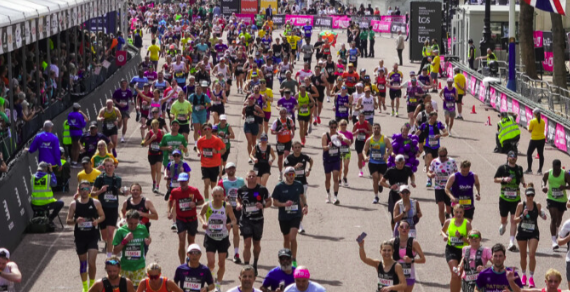
Bob Ramsak, Head of Sustainability for World Athletics presented a biodiversity-focused course map developed for the World Road Running Championships in Copenhagen, illustrating how event organisers can highlight the relationship between sporting routes and the surrounding natural environment.
The beautifully designed map demonstrates how major sporting events can become opportunities to raise awareness of local ecosystems and encourage athletes, spectators and organisers to consider biodiversity alongside sporting performance.
The initiative also highlights the potential for environmental information to become part of the event experience, connecting sport, nature and local communities.
GSS SPI Index: Recognising sustainability leadership
The BENCHES project brings together sporting organisations already demonstrating sustainability leadership through the GSS SPI Index.
Four of the five sporting organisations participating in the project have reached the GSS SPI Purpose Podiums:
- International Biathlon Union (IBU): Global Top 25 – C+ (Purpose Advanced)
- SL Benfica: Global Top 50 – C+ (Purpose Advanced)
- World Athletics: Global Top 50 – C+ (Purpose Advanced)
- World Sailing: Just outside the Global Top 50 – C (Purpose Established)
The GSS SPI Index independently assesses sporting organisations across the Seven Sustainable Pillars of Sport, including the Planet Pillar, which examines environmental sustainability, climate action and biodiversity.
Their presence on the Purpose Podiums demonstrates how environmental responsibility is increasingly becoming embedded within broader sustainability strategies across international federations and football clubs.
From biodiversity awareness to measurable impact
The BENCHES project demonstrates how research, collaboration and practical tools can help sport better understand its relationship with nature.
The challenge now is to translate these initiatives into long-term strategies, supported by measurable environmental outcomes.
For sport, protecting biodiversity is not simply about reducing environmental damage. It is an opportunity to engage athletes, communities and commercial partners while helping protect the natural environments upon which sport itself depends.
Read moreBenches


















Join the GSS Alliance Partners programme today
Stay ahead of the game with our FREE weekly newsletter, delivering the latest sport and sustainability news from around the globe straight to your inbox

11th Hour Racing
Join the GSS Network programme today

Register for GSS Workshops today
Join the GSS Education programme today