
To access our unique news archive of over 1,400 articles with insights on over 500+ sustainable sports organisations, join the GSS Network today.
Login here if you are a registered network subscriber.
News article
Make It Feel Real: Why Sport’s Sustainability Story Needs a Human Face
Sport has never had more permission to lead. That is the central finding of 'Make It Feel Real', a new study from creative studio New Season, launched during London Climate Action Week, which surveyed more than 500 UK sports fans to understand what they expect from sport on sustainability, social impact and community issues. The results challenge one of the most persistent assumptions in sport: that fans only care about what happens on the pitch. Instead, supporters increasingly want clubs, athletes and governing bodies to engage with the issues shaping their lives – from mental health and community wellbeing to climate change and inclusion.
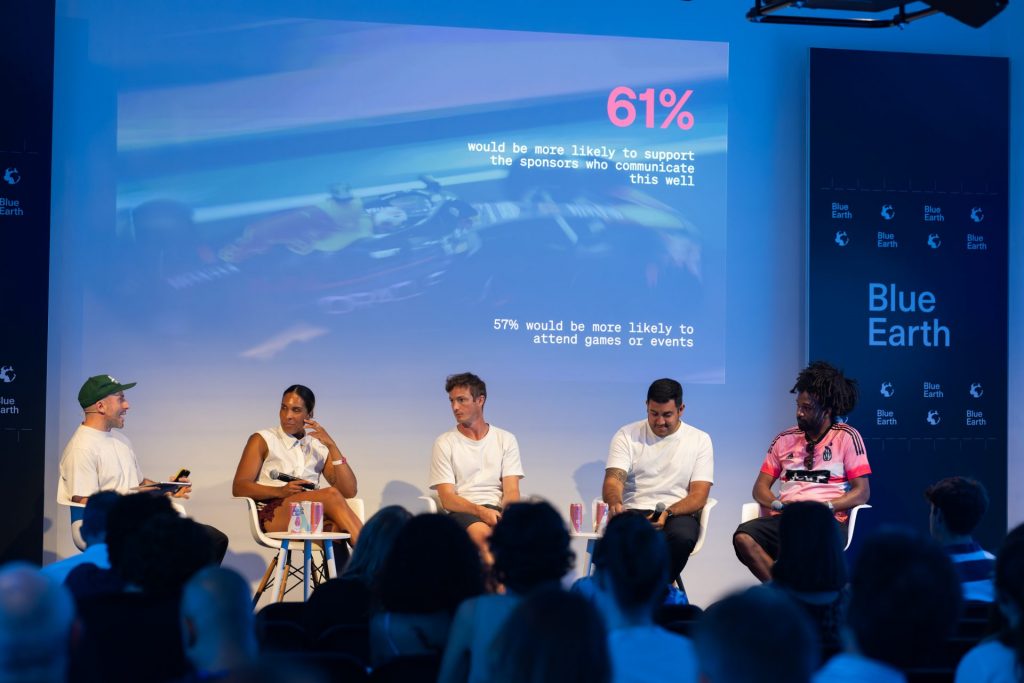
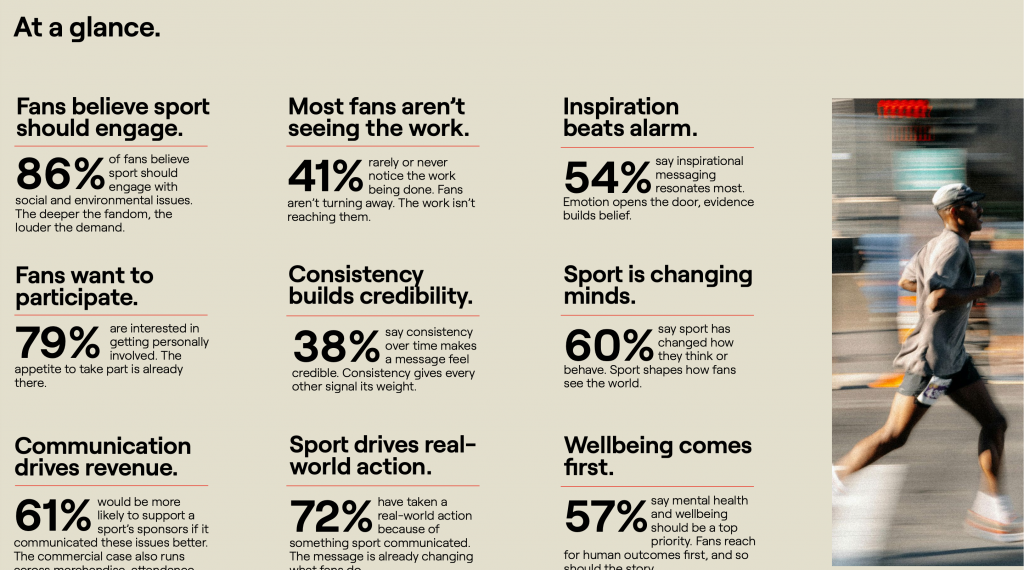
Yet while the appetite for leadership is clear, the report also reveals a significant communications gap. More than four in ten fans say they rarely or never notice sustainability communications from clubs or athletes, suggesting that while sport may be doing the work, many supporters simply are not seeing it.
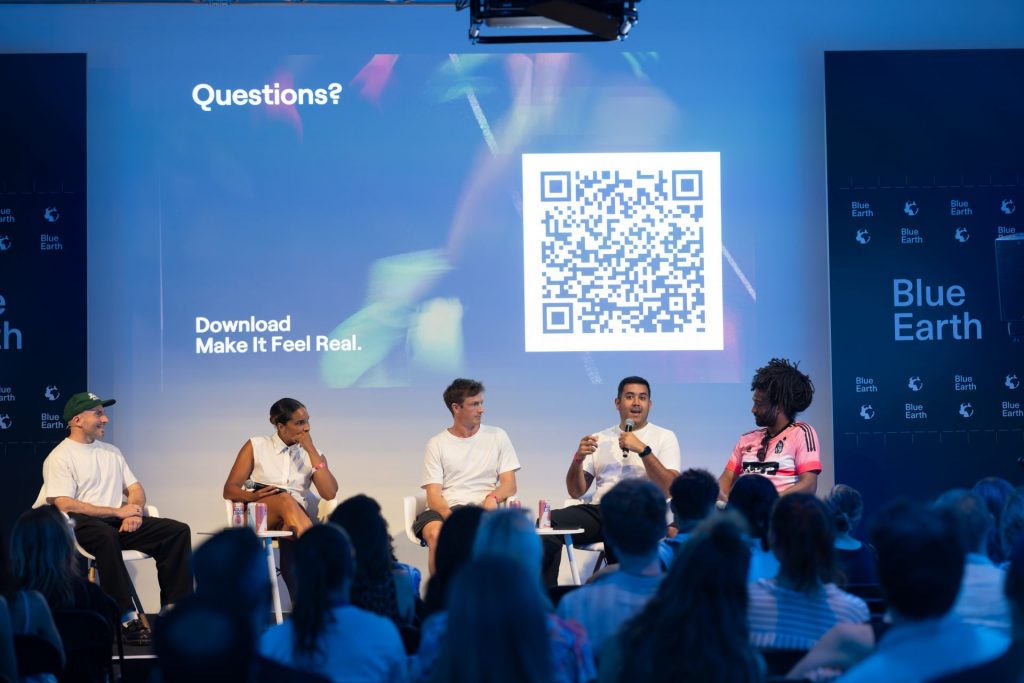
Those themes formed the backdrop to a lively London Climate Action Week panel hosted by New Season in Shoreditch, where voices from football, elite sport, community programmes and environmental activism explored how sport can move beyond reports and press releases to tell stories that genuinely connect with people.
Fans Want More Than the Game
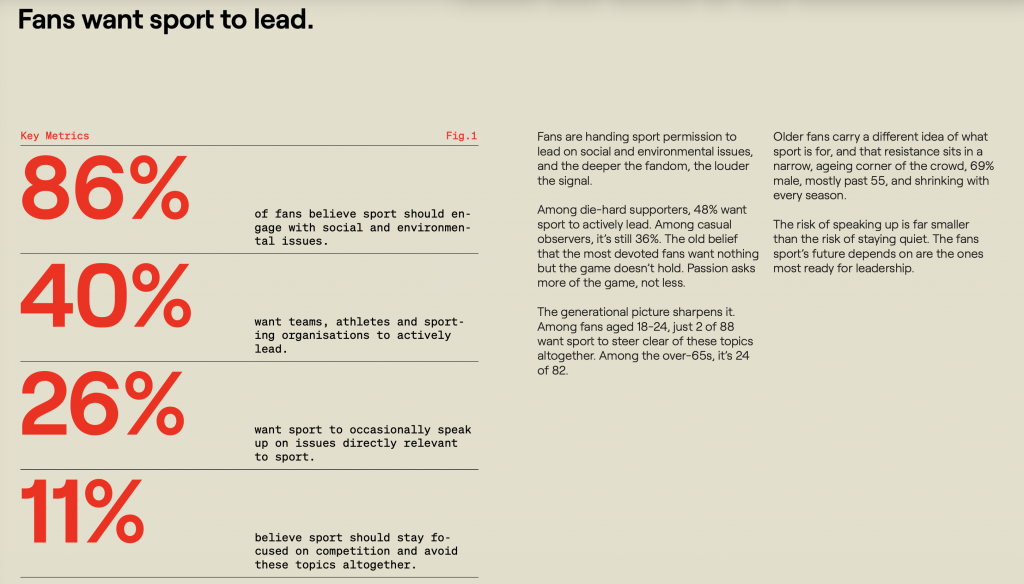
The report’s headline finding is striking. Eighty-six per cent of fans believe sport should engage with social and environmental issues, while 40 per cent want teams, athletes and sporting organisations to actively lead. Just 11 per cent believe sport should avoid these topics altogether.
For James Rigby, Founder of New Season, that represents a significant opportunity.
“Sport really does unite us,” he told attendees. “Athletes are among the most trusted voices in society, and with that trust comes an amazing opportunity, but also an obligation to use that for good.”
"Sport really does unite us,. Athletes are among the most trusted voices in society, and with that trust comes an amazing opportunity, but also an obligation to use that for good."
Importantly, the report found that support for action grows alongside fandom. The more passionate supporters become, the more they expect organisations and athletes to use their platforms responsibly. Rather than rejecting purpose-led initiatives, many fans are actively looking for leadership.
The challenge is not whether sport should speak, but how.
“They’re looking for leadership that sounds like a person, not a press release,” Rigby argued.
That observation sits at the heart of a growing debate across sport. Organisations have invested heavily in sustainability strategies, impact programmes and environmental commitments over the past decade. Yet much of that activity remains hidden within annual reports, policy documents and corporate communications that rarely reach supporters.
"They're looking for leadership that sounds like a person, not a press release,"
Purpose Must Be Part of the Club Identity
Few organisations have embedded sustainability into their identity as comprehensively as Liverpool FC.
Speaking during the panel discussion, Liverpool’s Director of Impact, Rishi Jain, explained how the club’s sustainability strategy, The Red Way, has become a framework for connecting environmental and social initiatives to the club’s broader purpose.
“For us, it’s about how we, as a football club, really take on what we believe is our responsibility to make the world a better place,” he said.
"For us, it's about how we, as a football club, really take on what we believe is our responsibility to make the world a better place,"
Jain emphasised that supporters are central to that approach.
“We physically cannot do that without the help of our supporters. When we go to them and say, ‘This is part of The Red Way, this is what it contributes to,’ they go, ‘Okay, I understand.'”
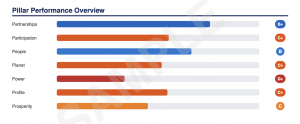
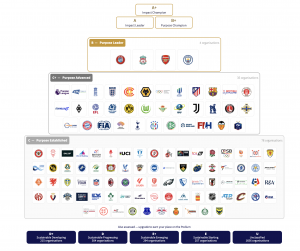
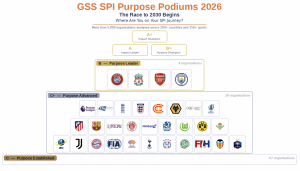
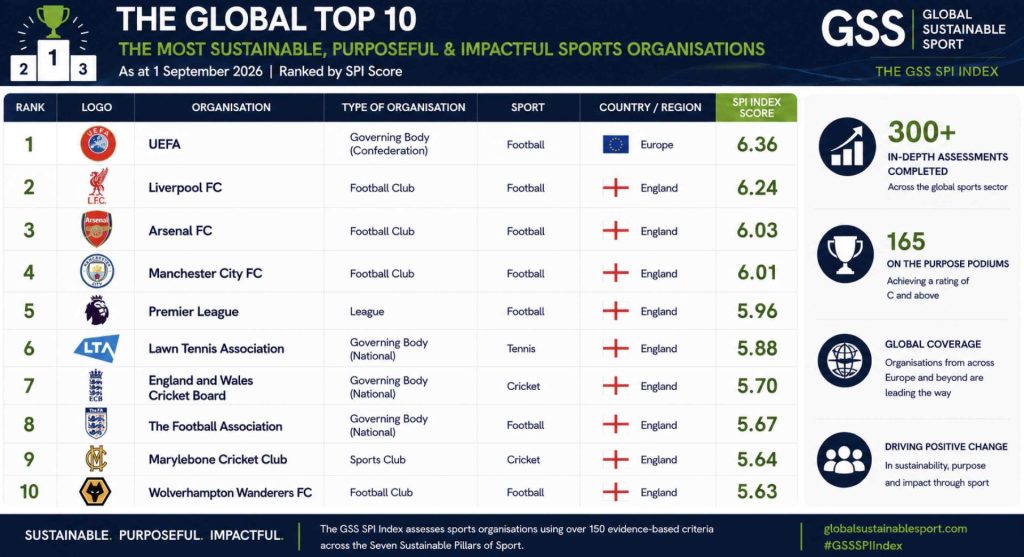
The approach appears to be resonating. Liverpool FC is currently rated alongside UEFA, Arsenal and Manchester City with a B rating in the recently published GSS SPI Index, making it one of the highest-ranked and most purposeful football organisations in the world.
The New Season report suggests that this type of integrated approach matters. Fans identified consistency over time as the single biggest driver of credibility, ahead of one-off campaigns or marketing activations. They want to see purpose woven into the fabric of sport rather than bolted on as an occasional initiative.
"We physically cannot do that without the help of our supporters. When we go to them and say, 'This is part of The Red Way, this is what it contributes to,' they go, 'Okay, I understand.'"
People Before Planet
Perhaps the most revealing insight from the study is that fans tend to connect first with people, not environmental metrics.
Mental health and wellbeing emerged as the top priority for supporters, ahead of physical activity, community investment and climate action.
That finding was reflected throughout the London Climate Action Week discussion.
Former European boxing champion Lesley Sackey spoke powerfully about how boxing transformed her own life before becoming the foundation of Fight Forward, the organisation she founded to support survivors of domestic abuse.
“Boxing gave me access to this reservoir of resilience that I didn’t know existed,” she explained.
"Boxing gave me access to this reservoir of resilience that I didn't know existed,"
Today, Fight Forward uses boxing as a tool to help women move beyond trauma.
“There is a movement from being a survivor to a thriver,” Sackey said. “What I want to celebrate with Fight Forward is this concept of elevation.”
Her story illustrates a crucial lesson for sports organisations. Sustainability is often communicated through targets, percentages and technical language. Fans, however, are more likely to connect through stories about people, communities and lived experiences.
As Sackey observed, sport creates opportunities for connection, vulnerability and empowerment that extend far beyond competition itself.
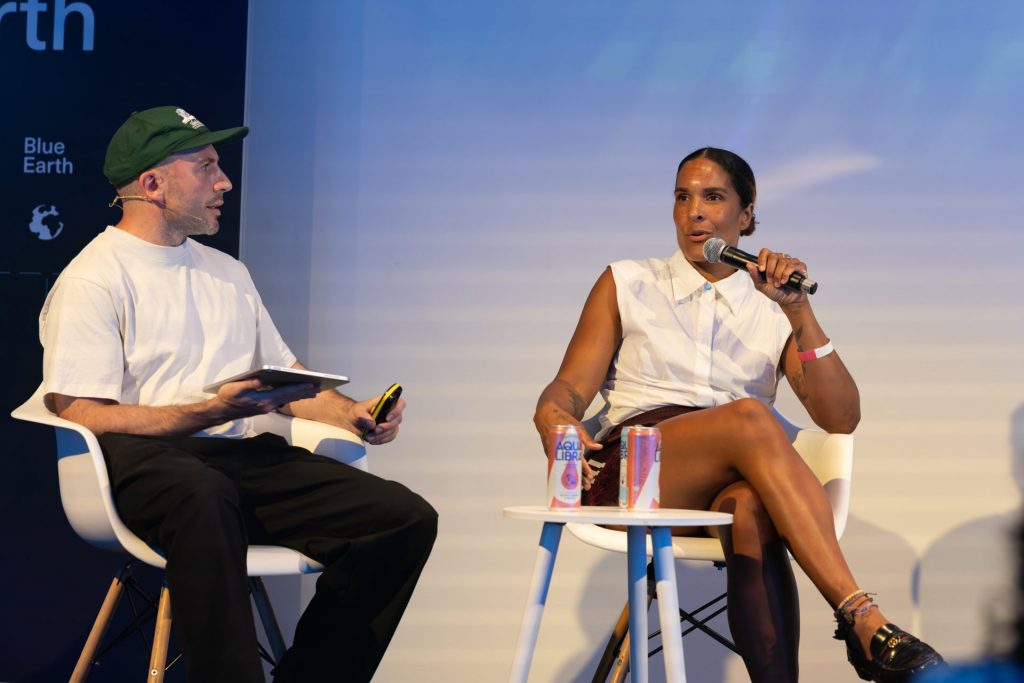
"There is a movement from being a survivor to a thriver. What I want to celebrate with Fight Forward is this concept of elevation."
Meeting People Where They Are
That need for human-centred storytelling was reinforced by Nadeem Perera, football coach, wildlife presenter and co-founder of Flock Together.
Perera’s work has helped introduce thousands of people from underrepresented communities to nature through birdwatching and outdoor experiences. His success, he argues, comes from understanding culture before communication.
“Culture is hugely important in this fight,” he said.
"Culture is hugely important in this fight,"
Rather than beginning with environmental messaging, Perera focuses on creating experiences that feel relevant and accessible.
“You have to meet people where they’re at first,” he explained. “If someone said the word ‘climate’ to me, I kind of cringe, because people don’t talk like that.”
His message echoed one of the report’s strongest conclusions: inspirational and relatable storytelling is far more effective than alarmist messaging. Fans want sustainability to feel relevant to their lives and identities, not like a lecture.
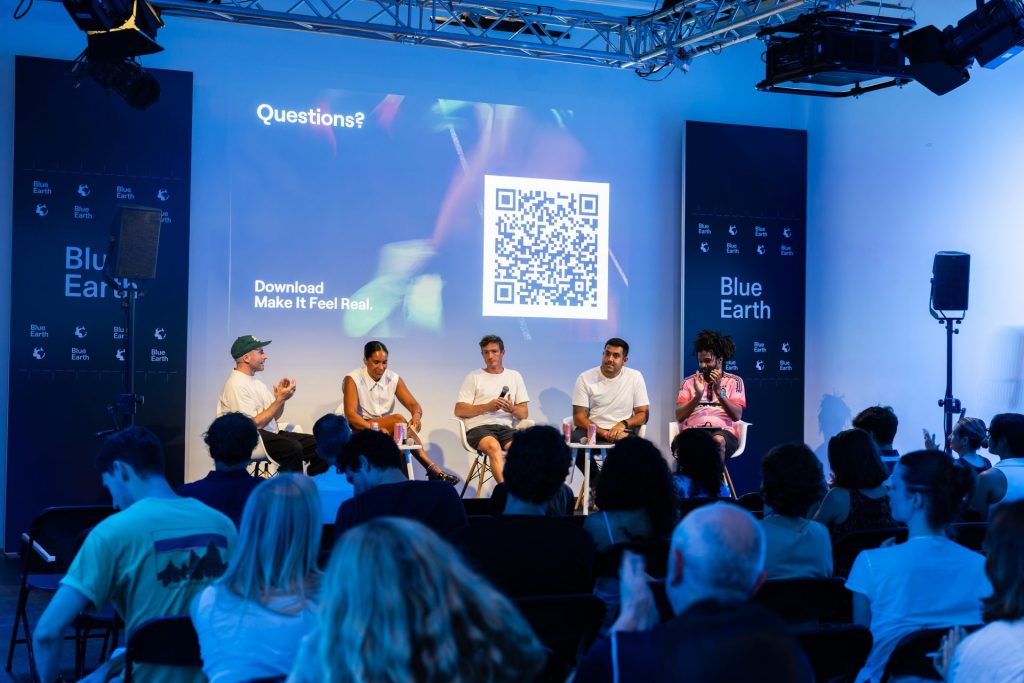
"You have to meet people where they're at first. If someone said the word 'climate' to me, I kind of cringe, because people don't talk like that."
From Individual Action to Collective Impact
For athletes, sustainability communication often comes with a different challenge: the fear of hypocrisy.
Elite sport is inherently carbon intensive. Athletes travel extensively, compete globally and operate within systems over which they have limited control.
Four-time Olympian Hugo Inglis addressed this tension directly.
“As an athlete, you’re part of the system,” he said. “I don’t build the planes that we fly in.”
"As an athlete, you're part of the system. I don't build the planes that we fly in."
Rather than remaining silent, Inglis helped establish High Impact Athletes and Sport One Carbon Zero, initiatives designed to help athletes turn concern into meaningful action.
“These problems are too big for one person,” he said. “We need a movement.”
His comments reflected another key finding from the report. Fans are not simply passive audiences. Nearly 80 per cent expressed an interest in becoming personally involved in sustainability initiatives, while 72 per cent reported taking real-world action because of something communicated through sport.
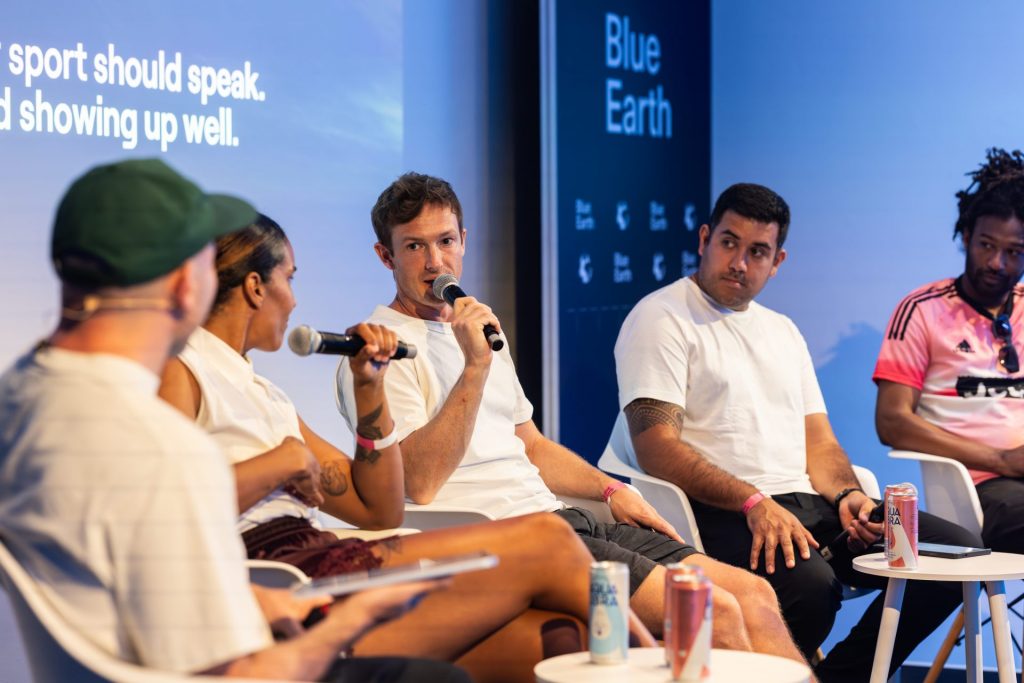
"These problems are too big for one person. We need a movement."
The Opportunity Ahead
The commercial implications are equally significant.
The report found that 61 per cent of fans would be more likely to support a sponsor associated with clubs or athletes that communicate effectively on social and environmental issues. Better storytelling was also linked to stronger engagement, attendance and loyalty.
For sports organisations, the message is clear. The challenge is no longer convincing fans that sustainability matters. Most already believe it does.
Instead, the opportunity lies in transforming sustainability from a corporate reporting exercise into something that feels personal, visible and relevant.
As London Climate Action Week demonstrated, sport possesses a unique ability to connect people through emotion, identity and shared experience. The organisations that succeed will be those that stop talking like institutions and start telling stories that supporters can see themselves in.
The work is already happening. Now sport must make it feel real.
To download a copy of the New Season report ‘Make It Feel Real’ – Click Here
Read moreNew Season












Join the GSS Alliance Partners programme today
Stay ahead of the game with our FREE weekly newsletter, delivering the latest sport and sustainability news from around the globe straight to your inbox

11th Hour Racing
Join the GSS Network programme today
15-16 October, 2026
Gtech Community Stadium,
London (UK)
The SPX Purpose League Summit is a working summit for decision-makers interested in activating sport in a purpose-led way. Attendees will leave with an aligned peer network, data-backed insights, and the strategic commercial toolkits to transform sponsorship from an outsourced marketing expense into the single greatest driver of value.



Register for GSS Workshops today
Join the GSS Education programme today