
To access our unique news archive of over 1,400 articles with insights on over 500+ sustainable sports organisations, join the GSS Network today.
Login here if you are a registered network subscriber.
News article
Top storyFrom Gesture to Delivery: How Sport is Responding to Climate Change
London Climate Action Week 2026 arrived during record-breaking temperatures across Europe. As delegates moved between venues across the capital, the climate challenge facing sport was impossible to ignore. The UK's hottest June temperatures on record provided a fitting backdrop for a week of discussions that revealed just how rapidly the sustainability conversation in sport is evolving.
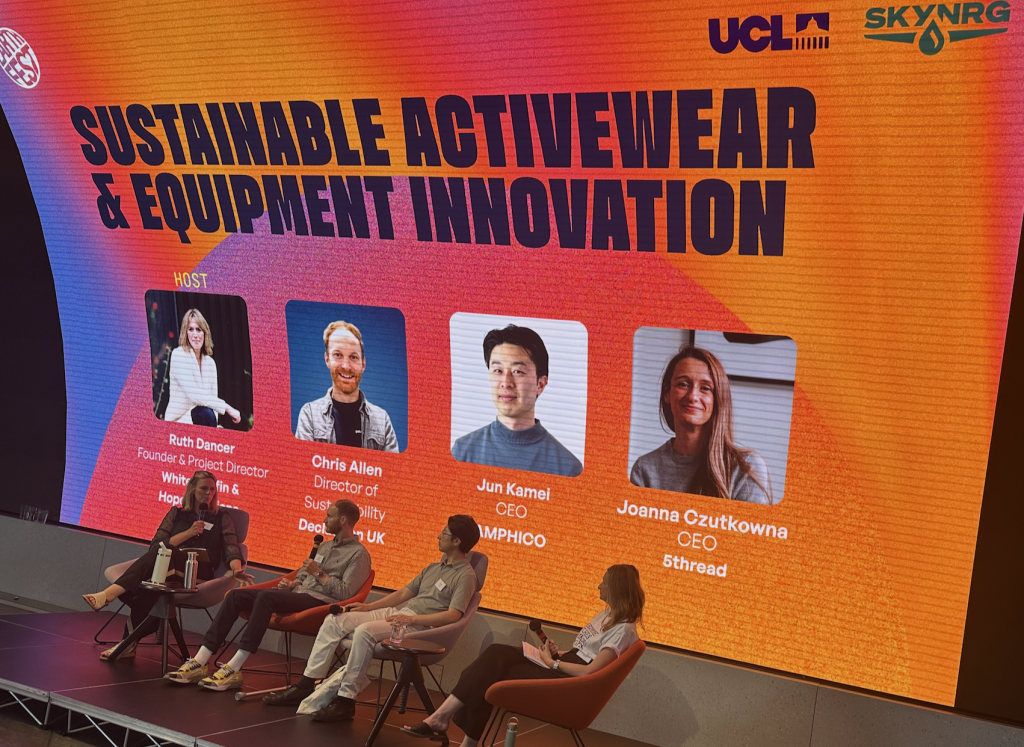
What emerged was a clear shift in emphasis. For much of the last decade, sport’s sustainability agenda has focused on awareness, commitments and carbon reduction targets. Those issues remain important, but the dominant themes at this year’s discussions were adaptation, resilience, implementation and evidence of action.
Five key themes emerged amongst a variety of sessions both in-person, like EarthFest, and online, like World Climate Athletes.
Sport is Already Adapting to Climate Change
Perhaps the most significant shift was the recognition that climate change is no longer a future risk. Climate changes is a reality for many and athletes, governing bodies and event organisers are already being forced to adapt.
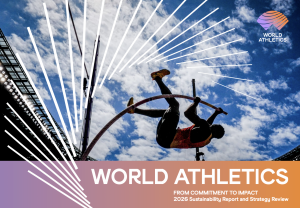
Opening the EarthFest Sport Summit, World Athletics President Sebastian Coe set the tone for the week.
“Climate change is having a profound impact on our sport. We are committed to reducing emissions, adapting to climate risks and delivering our net-zero pathway by 2040.”
The wider discussion focused on the practical realities of operating sport in a warming world. Extreme heat, poor air quality, flooding and water shortages are increasingly disrupting training, competition and participation.

“Climate change is having a profound impact on our sport. We are committed to reducing emissions, adapting to climate risks and delivering our net-zero pathway by 2040.”
The Climate Change Committee’s Sophie Vipond delivered perhaps the most sobering assessment, warning that the UK could experience regular 40°C summer temperatures by 2050 and that adaptation planning must accelerate.
The athlete perspective brought these challenges into sharp focus. Speaking from the Rowing World Cup in Lucerne, Olympic champion Imogen Grant reflected on what she has witnessed first-hand on Britain’s waterways.
“Over the 12 years that I’ve rowed, I’ve seen flooding, dry rivers, dirty rivers and also amazing wildlife. Physical health, mental health and environmental health – it’s all linked.”
As World Climate Athletes CEO Kishan Changlani observed during his session, the rules and structures of global sport are already being rewritten in response to a changing climate.
The future challenge may not simply be reducing emissions, but ensuring sport remains playable.
“Over the 12 years that I’ve rowed, I’ve seen flooding, dry rivers, dirty rivers and also amazing wildlife. Physical health, mental health and environmental health – it’s all linked.”
The Era of Promises is Ending
A second theme emerged repeatedly throughout the week: implementation.
Speakers expressed growing frustration with the gap between commitments and delivery.
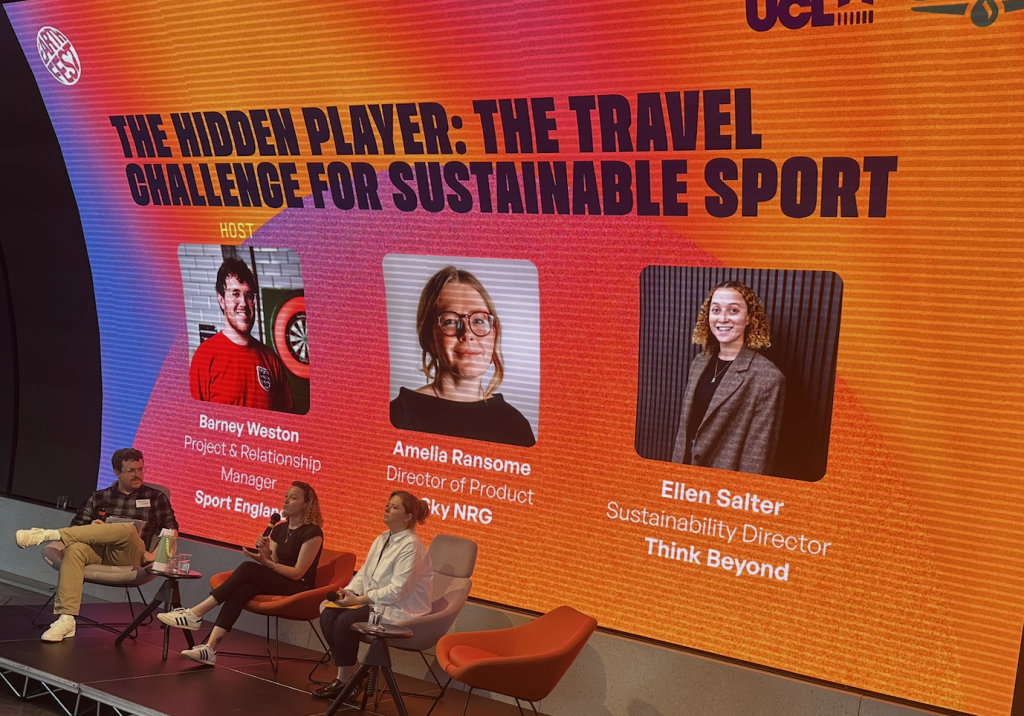
The travel session highlighted one statistic that resonated throughout the summit. While around 40 per cent of organisations have sustainable travel policies, only around 10 per cent are actively implementing them.
Ellen Salter, Sustainability Director at Think Beyond, challenged delegates to move beyond policy statements and focus on delivery.
“We’re seeing an ambition level, but we’re not seeing that implemented practically, and that’s something that we really need to start doing.”
The same message appeared across discussions on events, procurement, facilities and governance. Organisations are increasingly being judged not on what they say, but on what they can demonstrate.
The consensus was clear: sustainability is moving out of communications departments and into the core functions of governance, finance and operations.
“We’re seeing an ambition level, but we’re not seeing that implemented practically, and that’s something that we really need to start doing.”
Travel Remains Sport’s Hardest Problem
If climate adaptation is sport’s biggest external challenge, travel remains its most complex internal one.
Multiple speakers highlighted travel as one of the largest contributors to sport’s carbon footprint.
Discussions revealed that travel can account for between 10 and 25 per cent of organisational emissions, while major events can see travel-related impacts rise to 50 per cent or more. Once fan travel is included, the footprint often increases significantly again.
Attention also shifted beyond elite sport. Participants highlighted the enormous cumulative impact created by young athletes, coaches and volunteers travelling independently to training sessions and competitions every week.
Amelia Ransome, Director of Product at SkyNRG, focused on one of the technologies that could help decarbonise unavoidable journeys. Sustainable Aviation Fuel (SAF), she explained, can reduce aviation emissions by up to 80–85 per cent compared with conventional jet fuel, although scaling production and reducing costs remain significant challenges.
“We need to think about how we scale solutions and create the demand signals that allow investment, infrastructure and supply to grow.”
The discussion reinforced the need for a combination of smarter scheduling, collective transport solutions, carbon budgeting and investment in emerging technologies.
Travel, many concluded, is becoming the defining Scope 3 challenge for sport.
“We need to think about how we scale solutions and create the demand signals that allow investment, infrastructure and supply to grow.”
Athletes are Becoming Climate Leaders
One of the most positive themes of the week was the growing role of athletes as sustainability advocates.
Former Paralympic champion Ellie Simmonds spoke passionately about the connection between sport, waterways and environmental protection.
“Water has been such a huge part of my life, and I’ve become passionate about ocean conservation and protecting our waterways. We need to do more to protect them for future generations.”
“Water has been such a huge part of my life, and I’ve become passionate about ocean conservation and protecting our waterways. We need to do more to protect them for future generations.”
Alongside her, British Olympian and former NBA player Pops Mensah-Bonsu reflected on how his understanding of climate change had evolved through his work with young people in Ghana.
“I never thought climate change was something I could influence as an athlete. But if you have influence, you have to be able to use your voice.”
The message was clear: athletes are often among the first to experience climate impacts directly, whether through extreme heat, poor air quality or degraded natural environments. Increasingly, they are choosing to use their platforms to advocate for change.
Rather than being viewed simply as ambassadors, athletes are becoming influential voices in shaping sport’s climate response.

“I never thought climate change was something I could influence as an athlete. But if you have influence, you have to be able to use your voice.”
The Future of Sustainability May Be Local
While much attention often focuses on international federations and major events, many of the most practical examples presented during the week came from grassroots sport.
The Football Association’s Greener Game programme, delivered in partnership with E.ON, has already supported hundreds of community football clubs through energy audits, behavioural change initiatives and investment in renewable energy infrastructure.
Anna Quick, National Development Manager at the FA, explained why the programme matters.
“Football clubs are not just important to football; they are important to their communities. They are community hubs. The Greener Game programme is helping clubs reduce carbon emissions while becoming more financially sustainable.”
The session reinforced a broader theme running throughout the week: climate action is often most effective when it delivers immediate benefits alongside environmental outcomes.
“Football clubs are not just important to football; they are important to their communities. They are community hubs. The Greener Game programme is helping clubs reduce carbon emissions while becoming more financially sustainable.”
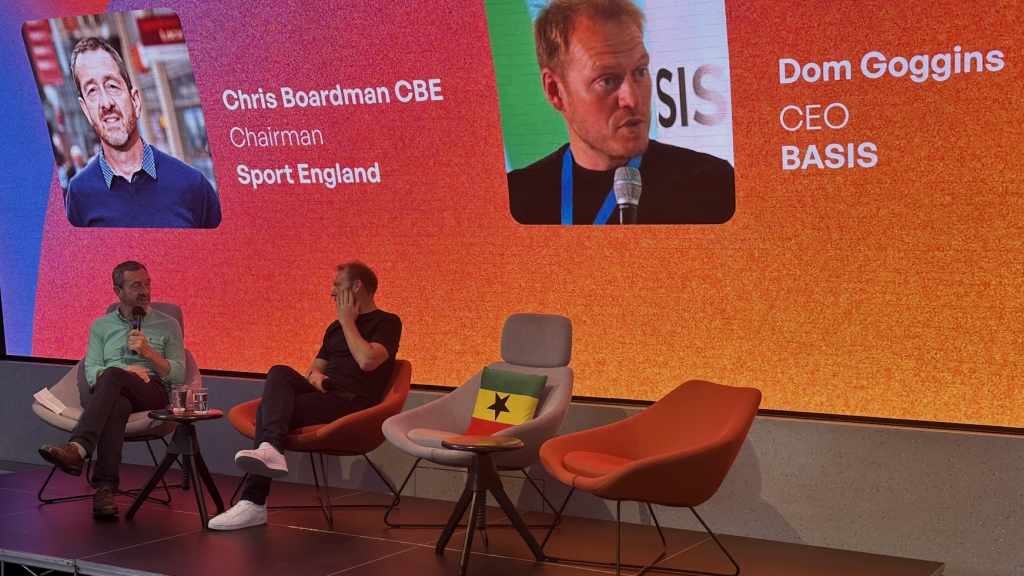
That was echoed by Sport England Chair Chris Boardman, who highlighted examples where active travel, healthier communities and climate action can all be achieved together.
“To tackle climate change, we don’t always have to do it head on.”
Many of the most successful projects are those that improve public health, reduce costs and strengthen communities while also reducing emissions.
“To tackle climate change, we don’t always have to do it head on.”
From Sustainability to Resilience – and From Risk to Opportunity
Taken together, the discussions at London Climate Action Week suggest that sport is entering a new phase of sustainability maturity.
The conversation is shifting from awareness to implementation, from carbon accounting to resilience, and from long-term ambitions to immediate operational decisions.
Perhaps most importantly, sustainability is no longer being treated as a specialist function. It is becoming a core issue for governance, infrastructure, athlete welfare, finance and event delivery.
Yet despite the urgency of many of the discussions, there was also a strong sense of optimism running throughout the week.
Delegates heard examples of grassroots football clubs reducing both emissions and energy costs, athletes using their platforms to advocate for change, retailers embracing circular business models, and innovators developing new materials and technologies inspired by nature. The focus was increasingly on solutions rather than simply highlighting problems.
That shift was captured by Joanna Czutkowna, CEO of 5Thread, who reflected on the week afterwards.
“We definitely need to change the tone of some of this conversation from doom to hope. Along with this, the narrative is changing from environmental sustainability to social sustainability as it becomes a more effective way to drive change.”
“We definitely need to change the tone of some of this conversation from doom to hope. Along with this, the narrative is changing from environmental sustainability to social sustainability as it becomes a more effective way to drive change.”
Her observation reflected a wider mood across the week. While climate risks are becoming more severe, many speakers argued that progress will come not through fear alone but by demonstrating practical solutions, tangible benefits and opportunities for communities.
A recurring theme was the importance of partnerships. Whether through collaborations between governing bodies and commercial partners, athletes and campaign groups, cities and event organisers, or innovators and manufacturers, meaningful progress increasingly depends on organisations working together around shared goals.
Ultimately, Jo’s final reflection may have been the most important.
“What I took away from this week is that it’s about the people, and how many brilliant people we have working in this space.”
“What I took away from this week is that it’s about the people, and how many brilliant people we have working in this space.”
That sentiment echoed across London Climate Action Week. The strongest message emerging from the discussions was not one of crisis, but of responsibility and possibility. Sport can no longer wait for governments, regulators or future generations to act. But neither does it need to start from scratch.
The ideas, technologies, partnerships and leadership already exist. The challenge now is scaling them.
For a sector built on planning, preparation and performance, the organisations that succeed will be those that can turn ambition into action, partnerships into progress and sustainability from a side project into a core part of how sport operates.
That is how sport moves from gesture to delivery.
Read moreLondon Climate Action Week (Various)






















Join the GSS Alliance Partners programme today
Stay ahead of the game with our FREE weekly newsletter, delivering the latest sport and sustainability news from around the globe straight to your inbox




11th Hour Racing
Join the GSS Network programme today



Register for GSS Workshops today
Join the GSS Education programme today