
To access our unique news archive of over 1,400 articles with insights on over 500+ sustainable sports organisations, join the GSS Network today.
Login here if you are a registered network subscriber.
News article
European Commission sets out ambitious vision to strengthen the European Sport Model
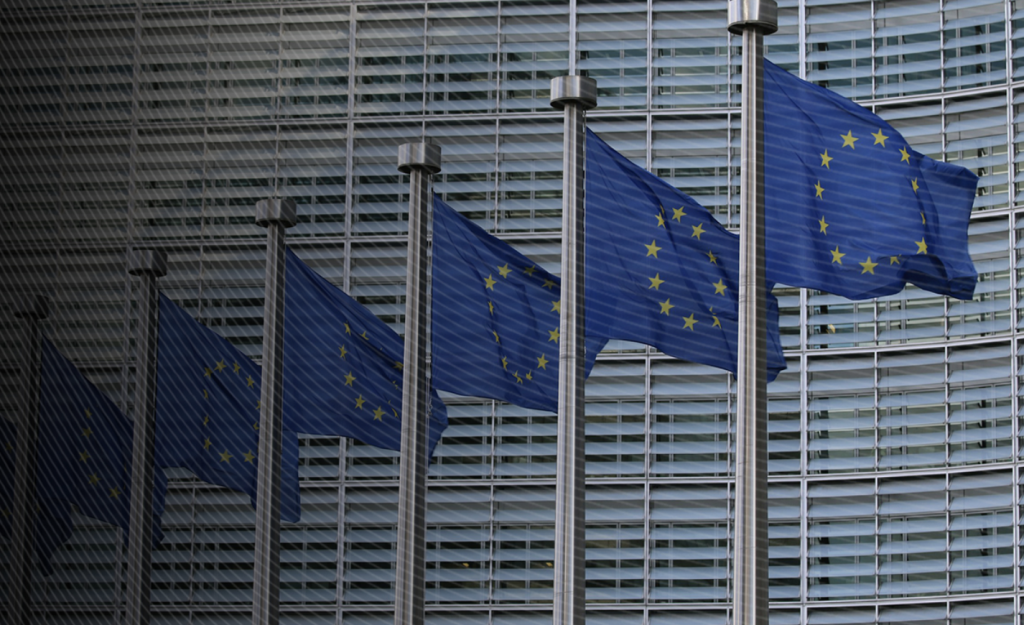
The European Commission has unveiled a major new strategy to strengthen the European Sport Model, placing greater emphasis on good governance, athletes’ rights, financial solidarity, grassroots participation and the wider social and economic contribution of sport.

The Communication, Reinforcing the European Sport Model, sets out a vision for protecting the principles underpinning European sport while responding to growing commercial pressures, governance challenges and inequalities. The strategy has received widespread support from UEFA, European Football Clubs (EFC), European Leagues and athletes’ representative organisations.
The initiative comes at a critical time for European sport. According to the Commission, sport generates approximately 3.4% of EU GDP, supports around six million jobs and delivers €1.70 in gross value added across the wider economy for every euro invested. Yet almost 40% of Europeans never participate in sport or exercise.
Protecting the European Sport Model
At the heart of the Commission’s strategy is a commitment to safeguarding the European sporting pyramid, built on open competition, sporting merit, solidarity and strong grassroots foundations.
The Communication identifies two overarching priorities: developing a stronger, sustainable and well-governed sporting ecosystem and placing sport at the heart of European life.
Its approach emphasises responsible autonomy, with governing bodies respecting European law and involving athletes, clubs, leagues and supporters in decision-making.
The strategy also recognises the growing importance of recreational activities, informal participation and community-based initiatives, alongside traditional organised sport.
UEFA welcomes stronger European support
The announcement follows the renewal of the European Commission’s cooperation agreement with UEFA, signed by European Commissioner for Sport Glenn Micallef and UEFA President Aleksander Čeferin on 9 November.
The agreement, which runs until December 2029, reinforces UEFA’s position as European football’s governing body and supports open competitions, national-team football, inclusive governance and financial redistribution.
“Football in Europe has achieved extraordinary sporting and commercial success without abandoning its roots,” said Čeferin.
“A place in a competition is earned on the pitch. The strongest parts of the game contribute to those below them.”
“Football in Europe has achieved extraordinary sporting and commercial success without abandoning its roots ... a place in a competition is earned on the pitch. The strongest parts of the game contribute to those below them.”
The agreement also supports keeping domestic league matches within their home territories, protecting the connections between clubs, supporters and communities.
Micallef described football as “an essential part of Europe’s sporting and social fabric”, emphasising the importance of protecting its values and structures.
“An essential part of Europe’s sporting and social fabric”
European clubs and leagues back the vision
European Football Clubs (EFC), representing more than 900 professional men’s and women’s clubs across 55 countries and territories, welcomed the Communication as an important step towards ensuring the long-term sustainability, competitiveness and integrity of European sport.
“Football clubs are at the heart of the European Sport Model. They play a vital role in bringing communities together, developing talent, promoting societal values and contributing to Europe’s social and economic life,” EFC stated.
The organisation reaffirmed its commitment to open competitions, sporting merit and solidarity, alongside harnessing football’s popularity as a force for good.
“Football clubs are at the heart of the European Sport Model. They play a vital role in bringing communities together, developing talent, promoting societal values and contributing to Europe's social and economic life,”
European Leagues also welcomed the Commission’s proposals, emphasising the importance of protecting domestic competitions and maintaining competitive balance.
“Domestic professional leagues are a fundamental pillar of the European sporting pyramid, playing a critical role in generating sporting and economic value, developing talent and supporting the wider football ecosystem,” the organisation stated.
European Leagues particularly welcomed the emphasis on meaningful stakeholder participation, transparency and accountability, alongside the Commission’s recognition of the need for more effective measures to combat online piracy of live sporting events.
“Domestic professional leagues are a fundamental pillar of the European sporting pyramid, playing a critical role in generating sporting and economic value, developing talent and supporting the wider football ecosystem,”
Athletes call for stronger rights and representation
The European Athletes and Players Association (EAPA) and World Players Association (WPA) welcomed the recognition of athletes as workers, the role of athletes’ associations in governance and the commitment to strengthening social dialogue beyond professional football.
However, both organisations stressed that recognition must translate into meaningful protections, including collective bargaining, fair working conditions and greater representation in decision-making.
“Athletes’ associations must play a greater role in decision-making, and we welcome the Communication’s recognition that athlete representation needs to be strengthened,” said Natalia Orive, EAPA President
“Athletes’ associations must play a greater role in decision-making, and we welcome the Communication’s recognition that athlete representation needs to be strengthened,”
The organisations highlighted the vulnerability of women athletes whose work may be classified as amateur, potentially excluding them from important employment protections, including equal pay and maternity rights.
Walter Palmer, Executive Director of the WPA, added:
“Responsible autonomy does not let sport bodies write their own labour law, and athletes do not leave their rights as citizens or workers at the door when they participate in sport.”
“Responsible autonomy does not let sport bodies write their own labour law, and athletes do not leave their rights as citizens or workers at the door when they participate in sport.”
Turning European ambitions into action
The Communication outlines 12 actions designed to translate its strategic vision into practical improvements across European sport.
These include establishing an EU Sportwatch to provide regular evidence-based assessments, examining financial redistribution between elite and grassroots sport, strengthening safeguarding, recognising volunteers and improving participation data to inform investment and policy decisions.
The widespread support from football’s governing bodies, clubs, leagues and athletes’ representatives demonstrates a shared recognition of the need to protect the long-term sustainability of European sport.
The challenge now will be translating these commitments into measurable improvements, ensuring that sport’s economic success delivers greater social benefits, that athletes’ rights are protected and that solidarity extends throughout the sporting pyramid.
Ultimately, the strength of the European Sport Model will be determined not simply by the success of its elite competitions, but by its ability to deliver benefits for athletes, supporters, grassroots organisations, communities and society as a whole.
Read moreEuropean Union
Join the GSS Alliance Partners programme today
Stay ahead of the game with our FREE weekly newsletter, delivering the latest sport and sustainability news from around the globe straight to your inbox
11th Hour Racing
Join the GSS Network programme today


Register for GSS Workshops today
Join the GSS Education programme today