
To access our unique news archive of over 1,400 articles with insights on over 500+ sustainable sports organisations, join the GSS Network today.
Login here if you are a registered network subscriber.
News article
Legacy First: How Houston put sustainability and human rights at the heart of the 2026 FIFA World Cup
When Houston began bidding to host the FIFA World Cup 2026 in 2019, its ambitions extended well beyond staging seven matches in the world's biggest football tournament. From the outset, the city wanted to use the event to create lasting environmental, social and economic benefits for its communities.
Five months after the tournament, the Houston Host Committee has published a comprehensive 65-page Sustainability and Human Rights Report detailing its achievements, challenges and lessons learnt. Built around a Plan–Host–Last framework, the report examines how sustainability, human rights and community legacy were embedded into the planning and delivery of the event.
Speaking to Global Sustainable Sport (GSS), Chris Canetti, President of the FIFA World Cup 2026 Houston Host Committee, and Elizabeth Carlson, Chair of its Sustainability Committee, explained how a philosophy of putting legacy first shaped the city’s approach and why they believe it offers a blueprint for future major sporting events.
Putting legacy at the heart of the World Cup
Houston’s approach began during the bidding process, when the Host Committee identified three priorities aligned with FIFA’s objectives: growing the game, protecting the environment and defending human rights.
Rather than treating these as separate programmes, Houston established dedicated committees and integrated their work into its wider operational strategy.
“We created a mindset early on that we were going to elevate our legacy initiatives around growing the game, protecting the environment, and defending human rights, and integrating them into our entire strategy and plan around the World Cup,” explained Canetti.
"We created a mindset early on that we were going to elevate our legacy initiatives around growing the game, protecting the environment, and defending human rights, and integrating them into our entire strategy and plan around the World Cup,"
This early commitment influenced everything from procurement and venue selection to transportation, community engagement and commercial partnerships.
Carlson, who has more than 20 years’ experience in sustainability, explained that bringing environmental and human rights specialists into decision-making from the outset made a fundamental difference.
For example, the Host Committee established partnerships to redistribute unused food and event materials before the tournament began, rather than trying to find solutions afterwards.
The city also developed a Sustainable Event Management System aligned with ISO 20121 principles, supported by environmental and human rights performance indicators.
Building a culture of responsibility
Stakeholder engagement became one of the defining features of Houston’s preparations.
More than 1,600 people participated in engagement activities, including representatives from community organisations, local government, businesses, universities, environmental groups and human rights organisations.
The Host Committee also identified and mapped 70 environmental, human rights and operational risks, integrating them into its management processes.
Carlson believes this inclusive approach was particularly important.
“We had open stakeholder sessions throughout, even though we didn’t have to. We wanted to make sure that we could bring in different perspectives.”
"We had open stakeholder sessions throughout, even though we didn't have to. We wanted to make sure that we could bring in different perspectives."
Responsible contracting was another priority. All 205 bidders evaluated through Houston’s procurement processes completed the required sustainability and human rights assessment instruments before contracts were awarded.
The approach also produced a Sustainable Event Management Playbook, designed to preserve knowledge and help future event organisers adopt similar practices.
Growing the game by removing barriers
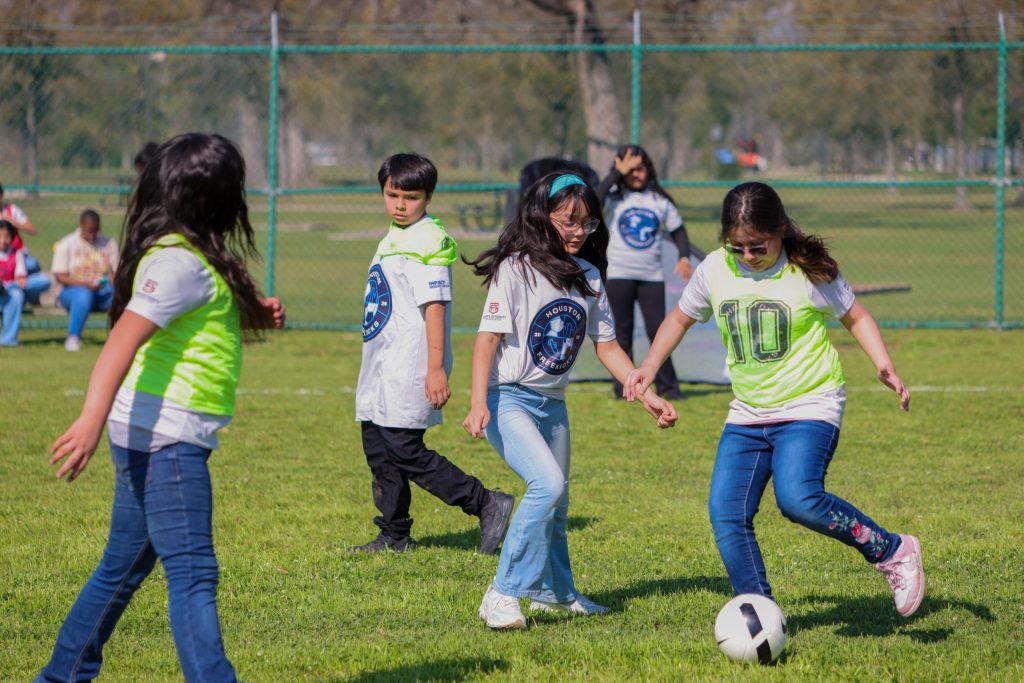
Perhaps Houston’s most significant potential social legacy is FREEKICKS Soccer, a programme designed to address inequalities in access to organised youth football.
Canetti explained that youth football in the United States is predominantly a pay-to-play system, with opportunities often concentrated in more affluent suburban communities.
Houston wanted to change that.
Working with Harris County and five local youth football organisations, the programme is refurbishing or developing 23 football pitches across six parks in underserved communities.
Participating clubs are bringing organised football programmes into these neighbourhoods, supported by scholarships that remove membership fees and other financial barriers.
The programme provides more than 1,200 annual scholarship opportunities, with participating clubs committing an estimated $1.5 million annually to programming and scholarships.
“We went from having poorly maintained, dilapidated soccer pitches that were now upgraded, and soccer clubs coming in and bringing organised youth soccer to these fields,” Canetti explained.
"We went from having poorly maintained, dilapidated soccer pitches that were now upgraded, and soccer clubs coming in and bringing organised youth soccer to these fields,"
He emphasised that the programme is only beginning, with ambitions to expand the number of pitches, participating clubs and scholarships through Impact Houston 26, the initiative established to manage the city’s continuing legacy programmes.
The longer-term challenge will be demonstrating whether improved access translates into sustained participation and wider community benefits.
Protecting people and planet
Houston’s environmental programme focused on energy, emissions, waste, transportation and resilience.
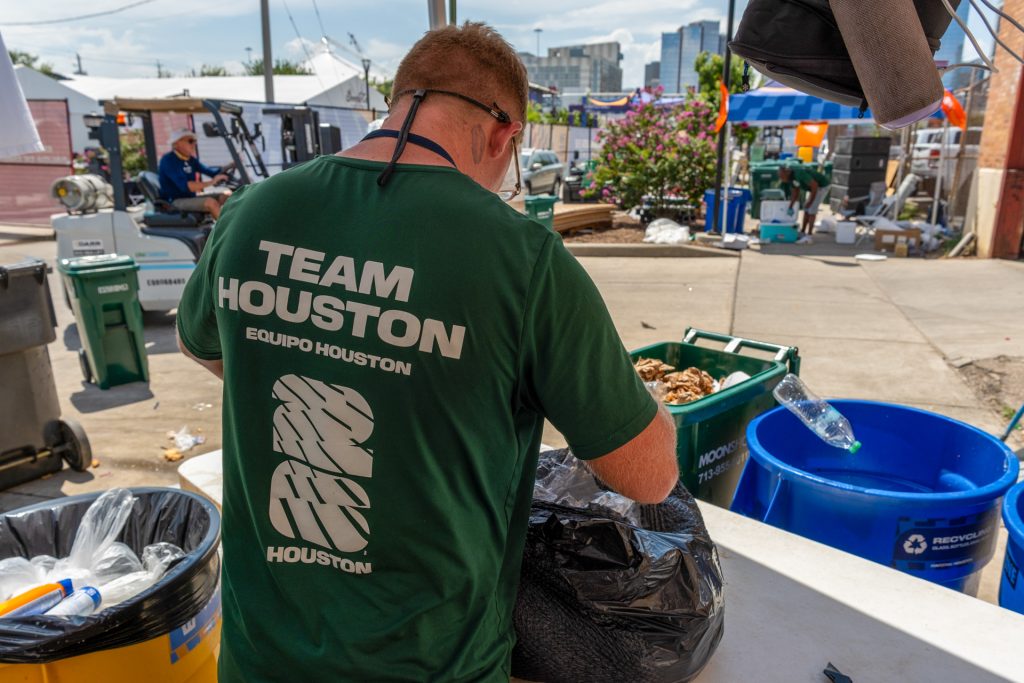
At the FIFA Fan Festival, which attracted more than 450,000 attendees, electricity consumption was matched with renewable energy certificates sourced through Reliant’s wind energy programme. The event also achieved a 66% waste diversion rate, with substantial quantities of food, turf and other materials donated for reuse.
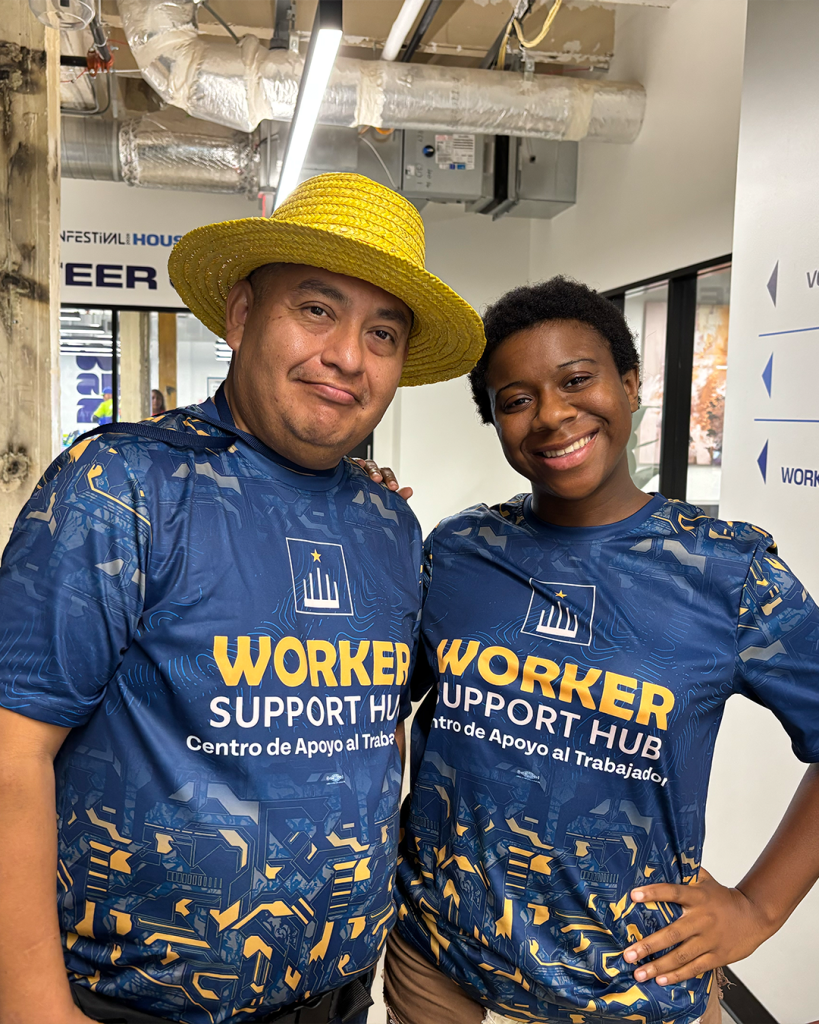
Human rights were similarly embedded into operations. The Host Committee introduced a $15 hourly wage floor for Fan Festival workers, established a Worker Support Hub and incorporated more than 20 accessibility measures.
One of Houston’s most distinctive challenges was extreme summer heat.
“Heat mitigation really was part of both of those pillars because when it comes to heat, resilience is what we would say in the sustainability world,” Carlson explained, referring to Houston’s two city-specific environmental priorities of resilience and innovation.
"Heat mitigation really was part of both of those pillars because when it comes to heat, resilience is what we would say in the sustainability world,"
Measures included cooling stations, shaded areas, drinking water access and nature-based solutions designed to reduce urban heat.
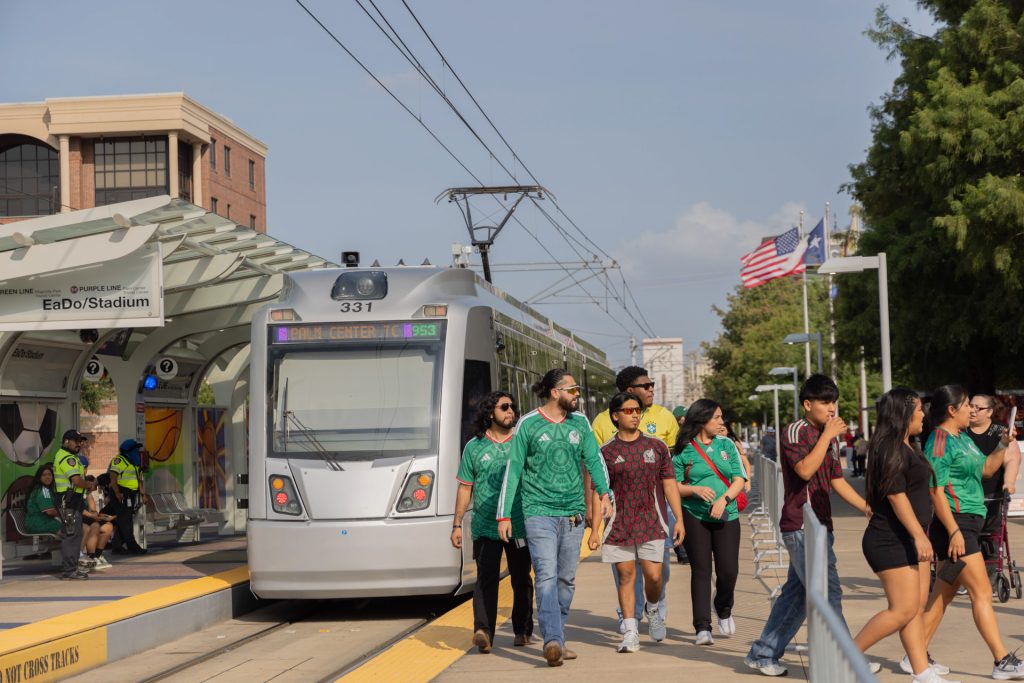
The Green Corridor initiative also promoted walking, cycling and public transport between the stadium, Fan Festival and downtown Houston, creating infrastructure intended to benefit residents beyond the tournament.
Partnerships that create lasting value
Commercial partnerships played an important role in supporting Houston’s legacy ambitions.
Canetti explained that, because FIFA controlled many of the tournament’s traditional commercial assets, the Host Committee developed alternative sponsorship opportunities around sustainability, human rights and community programmes.
Airbnb supported the Green Corridor initiative, while Chevron was involved in the sustainable football pitch project.
“Our sponsors really got involved and excited about it as well,” Canetti said.
These partnerships demonstrate how sustainability and social development initiatives can become part of the commercial proposition for major sporting events, rather than simply being regarded as additional operational costs.
"Our sponsors really got involved and excited about it as well,"
Measuring what matters
Houston’s report provides extensive evidence of activities and immediate outcomes, but the longer-term measurement of social and environmental impact remains a challenge.
Carlson acknowledged the difficulty of measuring complex social outcomes consistently, particularly when meaningful changes may take years to emerge.
“When it comes to the legacy programmes on social impact, I think the challenge for environmental or social is that you’re talking like 10-year studies and things like that, really, to see long-term impacts.”
"When it comes to the legacy programmes on social impact, I think the challenge for environmental or social is that you're talking like 10-year studies and things like that, really, to see long-term impacts."
Environmental measurement also illustrates the complexity of major events. While Houston’s directly controlled Scope 1 and market-based Scope 2 emissions were limited to 15 tonnes of CO₂ equivalent, its reported Scope 3 footprint was dominated by spectator travel and accommodation.
Carlson argued that host cities must prioritise the areas where they have genuine influence, including local transportation, energy sourcing and waste management.
Meanwhile, a post-event economic impact assessment is being prepared. The pre-event estimate was $1.5 billion, with Canetti expressing confidence that the final results would reflect the strong visitor numbers recorded during the tournament.
A blueprint for future host cities
For Houston, the legacy extends beyond physical infrastructure and community programmes.
The Host Committee has developed practical toolkits covering sustainable event management, football facilities and responsible operations, with the intention of helping future host cities avoid repeating the same planning challenges.
Carlson believes the most important lessons are to engage stakeholders early, assess risks and opportunities, integrate sustainability into contracting and adapt international requirements to local circumstances.
Above all, she argues that event organisers must change how they think about legacy.
“People in the beginning were like, well, just put up temporary things, just put up a temporary shade structure, but that doesn’t have the benefits for the community. It’s better that we plant the trees.”
For Canetti, the World Cup was always intended to be a catalyst for longer-term development.
“We led with legacy, and now we’re ending with legacy.”
"People in the beginning were like, well, just put up temporary things, just put up a temporary shade structure, but that doesn't have the benefits for the community. It's better that we plant the trees ... we led with legacy, and now we're ending with legacy."
Houston’s experience offers an important lesson for future hosts of major sporting events: sustainability and legacy cannot simply be delivered at the end of a tournament. They must shape the decisions made years before the first ball is kicked.
The ultimate measure of Houston’s success will be whether the programmes, partnerships and systems established around the World Cup continue delivering benefits long after the crowds have gone home.
Read moreThe FIFA World Cup 2026™ Houston Host Committee















Join the GSS Alliance Partners programme today
Stay ahead of the game with our FREE weekly newsletter, delivering the latest sport and sustainability news from around the globe straight to your inbox
11th Hour Racing
Join the GSS Network programme today



Register for GSS Workshops today
Join the GSS Education programme today