
To access our unique news archive of over 1,400 articles with insights on over 500+ sustainable sports organisations, join the GSS Network today.
Login here if you are a registered network subscriber.
News article
Beyond the Game: How Sport Is Redefining Resilience and Driving Sustainable Change
Resilience is often associated with sporting success – overcoming adversity, recovering from defeat and finding the determination to compete again. But at the Blue Earth Summit 2026, resilience emerged as something much broader: the ability of individuals, organisations and entire sporting systems to adapt, evolve and create lasting positive change.

Held at the Woolwich Works in Royal Arsenal, London, in October, the summit brought together athletes, sporting organisations, sustainability leaders and innovators to explore how sport can help address some of society’s most pressing challenges. Across discussions involving Arsenal FC, Liverpool FC, Wimbledon and Formula E, a common message emerged: sustainability is not simply about reducing environmental impacts, but about building resilience into the way sport operates and influences society.
Resilience Beyond the Pitch
One of the summit’s most compelling sessions, What Resilience Actually Looks Like, brought together England Lioness and Arsenal Women defender Lotte Wubben-Moy and former GB boxer Lesley Sackey, moderated by Channel 4 climate journalist Maeve Campbell.
Wubben-Moy reflected on a career shaped by rejection, perseverance and achievement, including winning European Championships with England and the Champions League with Arsenal.
However, she emphasised that some of her greatest achievements had taken place away from football.
Following England’s Euro 2022 victory, despite not playing a minute during the tournament, she helped initiate the Lionesses’ campaign for equal access to football in schools.
She subsequently established Lots to Explore, a programme using football and creative activities to provide opportunities for young women.
“I feel a great sense of responsibility and power to do much more than just play football. Because I know what it means,” she explained.
“When I hit a rough patch like that, and adversity comes my way, I’ll think to myself, what can I do? Who can I impact? Where will it take us all?”
Her message was that resilience becomes stronger when athletes discover purpose beyond sporting performance.
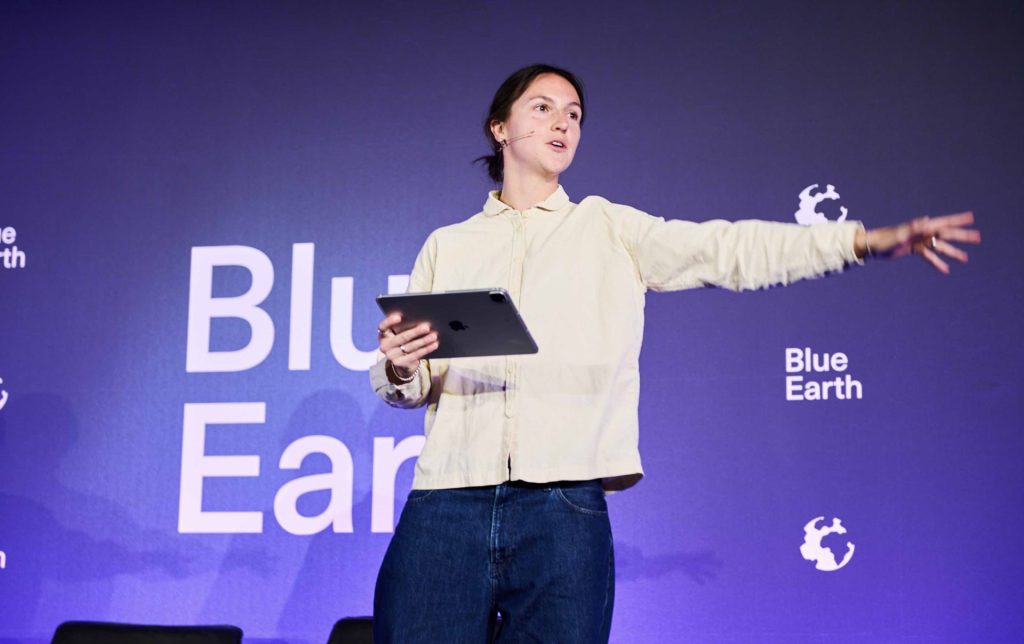
"I feel a great sense of responsibility and power to do much more than just play football. Because I know what it means ... when I hit a rough patch like that, and adversity comes my way, I'll think to myself, what can I do? Who can I impact? Where will it take us all?"
Turning Adversity into Opportunity
Lesley Sackey offered a different perspective through Fight Forward, her not-for-profit organisation using boxing to support survivors of domestic abuse.
Drawing on her experiences as an elite boxer, Sackey described how the discipline, confidence and community created through sport can help individuals rebuild their lives.
Her Fight Back programme has trained more than 300 women and delivered over 500 sparring sessions.
Reflecting on her own experiences, Sackey explained:
“Boxing for me was life, and all the lessons I’d learned inside the ring could be applied outside of it. So I kind of made it my mission to share that once I stopped competitive boxing, to share that particularly with women.”
She emphasised that boxing was a means of developing confidence and personal strength rather than simply a sporting activity.
“Boxing is just the vehicle for learning.”
For Sackey, resilience is not simply about surviving difficult circumstances but developing the confidence, independence and support networks needed to move forward.
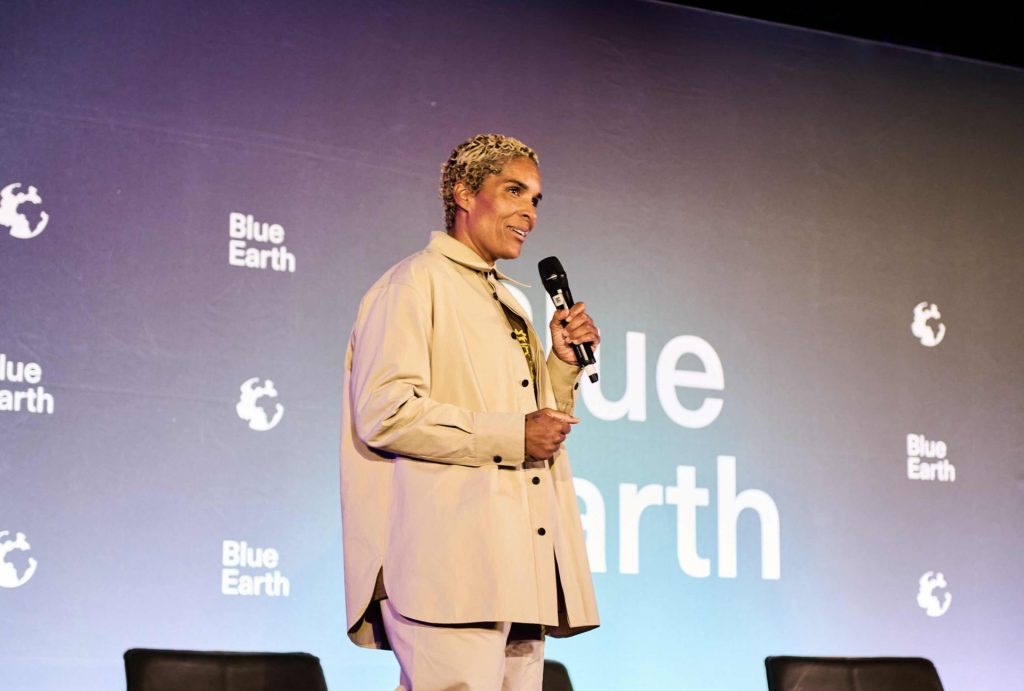
"Boxing for me was life, and all the lessons I'd learned inside the ring could be applied outside of it. So I kind of made it my mission to share that once I stopped competitive boxing, to share that particularly with women ... Boxing is just the vehicle for learning."
Building Resilience into Sporting Organisations
The importance of organisational culture emerged during Why Culture Is Sustainability’s Blind Spot, featuring Rishi Jain, Director of Impact at Liverpool FC.
Jain explained how Liverpool’s sustainability strategy, The Red Way, has evolved from individual initiatives into an approach embedded throughout the club.
Rather than sustainability remaining the responsibility of a small specialist team, Liverpool has worked to make it part of everyday decision-making.
“Responsibility is shared across our entire football club, so actually the day-to-day responsibility for the Red Way sits across, I would argue, about three to four hundred people,” Jain explained.
He highlighted how empowering employees to take ownership of sustainability initiatives has transformed the club’s approach.
“We’ve empowered them to have the freedom to go and be creative and embed sustainability into what they do. But they don’t feel that they need to come to me.”
The discussion, moderated by Hannah Phang, Co-Founder and Chief Marketing Officer of The Now Work, reinforced the importance of aligning sustainability commitments with organisational culture.
The message was clear: strategies and targets alone cannot create lasting change. Resilience requires shared responsibility, leadership and a culture in which sustainability becomes part of how organisations operate.

"Responsibility is shared across our entire football club, so actually the day-to-day responsibility for the Red Way sits across, I would argue, about three to four hundred people ... we've empowered them to have the freedom to go and be creative and embed sustainability into what they do. But they don't feel that they need to come to me.
Protecting the Future of Sport
Environmental resilience was central to Game, Set, Grid, where Hattie Park, Senior Sustainability Manager at the All England Lawn Tennis Club, discussed Wimbledon’s approach to protecting its sporting heritage.
Park highlighted initiatives including fossil-fuel-free facilities, biodiversity improvements, water refill stations and lower-carbon food choices.
However, she emphasised that climate adaptation is becoming equally important.
“A big part of what we do, obviously, is mitigation, prevent things from getting any worse. And I wish we weren’t in the position that we’re in now, but adaptation and resilience is hugely important,” she explained.
Looking towards Wimbledon’s future, Park raised a fundamental question about protecting the Championships for generations to come.
“How are we going to ensure that Wimbledon is still here in 150 years or another 100 years? And so adaptation and resilience is hugely important.”
With rising temperatures and increasingly unpredictable weather threatening sporting events, Wimbledon is incorporating climate resilience into its long-term estate development.
The challenge is no longer simply how sport reduces its environmental footprint, but how it continues to operate successfully in a changing climate.
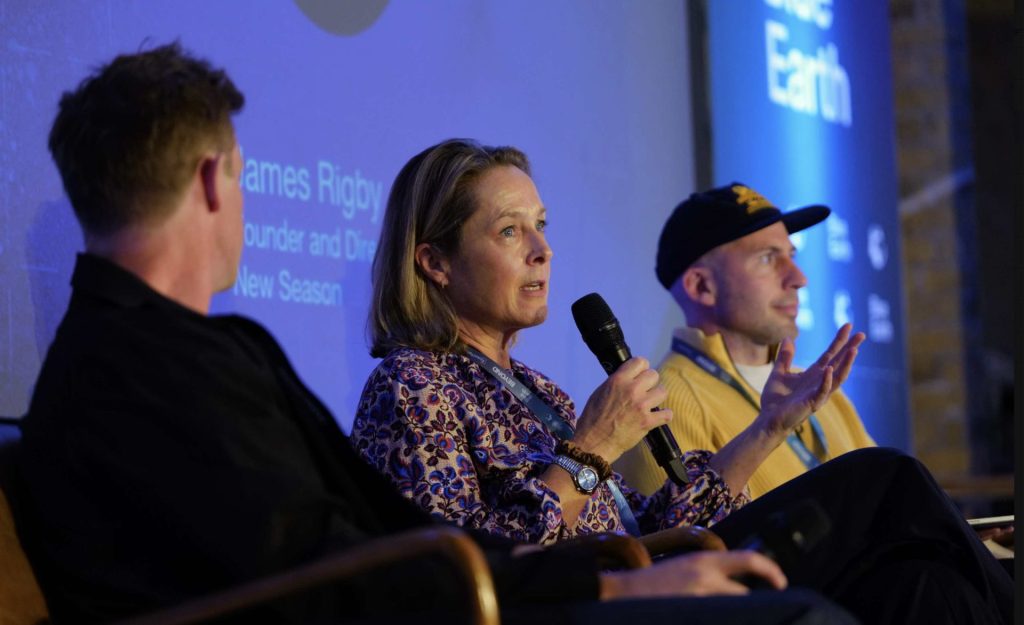
"A big part of what we do, obviously, is mitigation, prevent things from getting any worse. And I wish we weren't in the position that we're in now, but adaptation and resilience is hugely important ... how are we going to ensure that Wimbledon is still here in 150 years or another 100 years? And so adaptation and resilience is hugely important."
Electrification and the Future of Sport
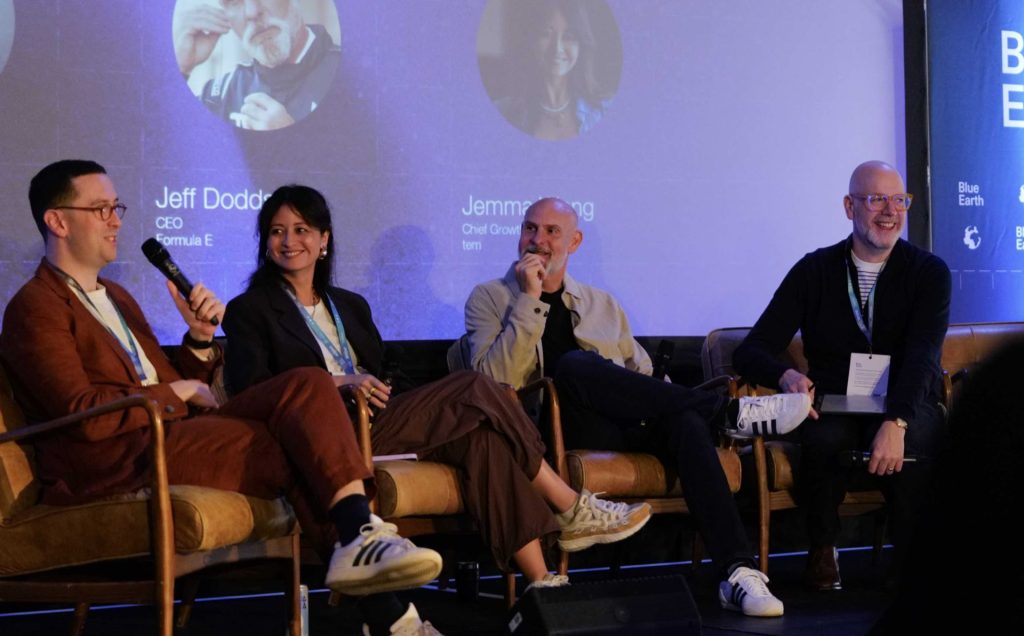
Innovation provided another dimension through Is Sport the Unlock Electrification Needs?, featuring Formula E Chief Executive Jeff Dodds, Jemma Wong of tem and Ben Westerman of Electrify Britain, chaired by Leo Rayman of EdenLab.
The session explored how sport can accelerate the adoption of electric technologies, from motorsport and electric surfing to stadium infrastructure and transport.
Formula E demonstrates how sporting competition can provide a platform for technological innovation while helping audiences understand the potential of electrification.
The wider opportunity is for sport to translate emerging technologies into practical, visible solutions that influence consumer behaviour and accelerate change beyond the sporting industry.
From Resilience to Lasting Impact
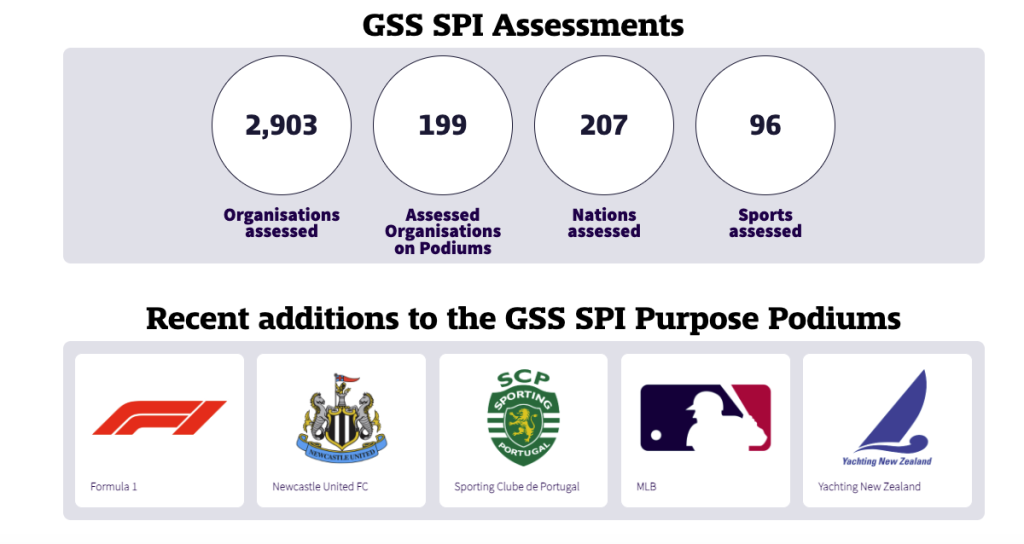
Four sporting organisations represented at the summit have already achieved prominent positions on the Global Sustainable Sport SPI Index. Arsenal and Liverpool FC are both ranked in the Global Top 5 with B ratings, while Formula E sits in the Global Top 15 with a C+ rating. The All England Lawn Tennis Club is also ranked in the Global Top 100. All four feature on the GSS Purpose Podiums, reflecting their progress in embedding sustainability, purpose and impact into their organisations.
The discussions at Blue Earth demonstrated that resilience is not simply about responding to adversity. It is about anticipating change, empowering people, challenging established practices and creating organisations capable of thriving in an increasingly uncertain world.
For sport, resilience is becoming much more than a characteristic of successful athletes. It is an essential ingredient in building a more sustainable future.
Read moreBlue Earth



















Join the GSS Alliance Partners programme today
Stay ahead of the game with our FREE weekly newsletter, delivering the latest sport and sustainability news from around the globe straight to your inbox

11th Hour Racing
Join the GSS Network programme today

15-16 October, 2026
Gtech Community Stadium,
London (UK)
The SPX Purpose League Summit is a working summit for decision-makers interested in activating sport in a purpose-led way. Attendees will leave with an aligned peer network, data-backed insights, and the strategic commercial toolkits to transform sponsorship from an outsourced marketing expense into the single greatest driver of value.


Register for GSS Workshops today
Join the GSS Education programme today