
To access our unique news archive of over 1,400 articles with insights on over 500+ sustainable sports organisations, join the GSS Network today.
Login here if you are a registered network subscriber.
News article
IOC reshapes stakeholder engagement as working groups replace commissions
The International Olympic Committee (IOC) is changing the way it engages with stakeholders across the Olympic Movement, replacing a series of long-standing commissions with more focused working groups.
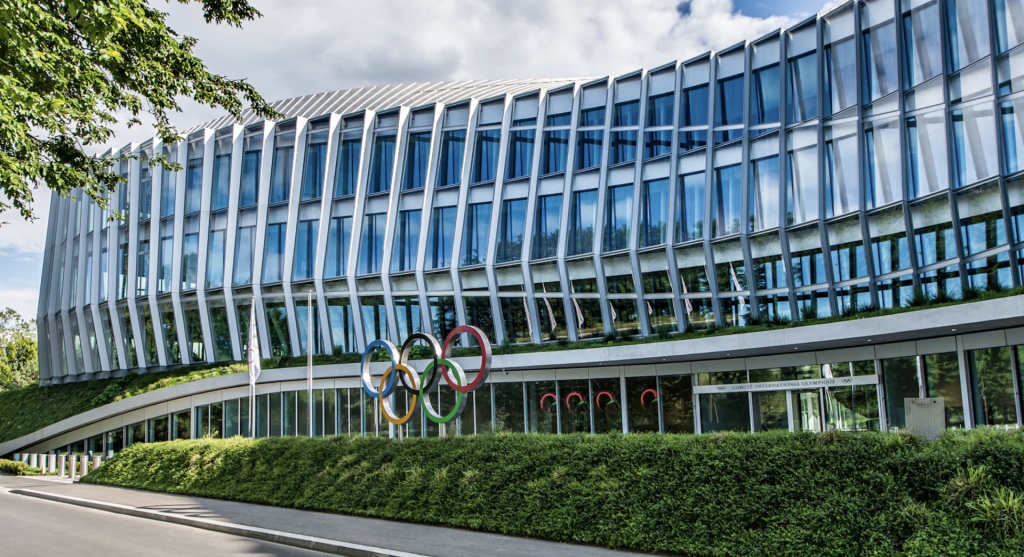
The move forms part of the IOC’s ongoing Fit for the Future process and represents a significant change in how the organisation intends to bring external expertise and different perspectives into its policy development and decision-making.
Following more than a year of consultation and review, the IOC says working groups with clearly defined remits will provide a more flexible and targeted approach to addressing specific strategic priorities.
From permanent structures to focused groups
The IOC has already been testing the approach. Over the past 15 months, working groups have been established around several Fit for the Future topics, with the organisation concluding that the model offers an effective mechanism for addressing particular challenges and opportunities.
As a result, 12 non-institutional commissions will be discontinued, including those covering Sustainability and Legacy; Gender Equality, Diversity and Inclusion; Human Rights; Olympism365; Digital Engagement and Marketing Communications; and Revenues and Commercial Partnerships.
The IOC said the new approach would:
“provide greater flexibility in engaging subject-matter expertise”
while strengthening its ability to respond to specific opportunities and challenges through what it describes as “focused, purpose-driven collaboration”.
“provide greater flexibility in engaging subject-matter expertise”
Core governance structures remain
The change does not mean the end of the IOC’s commission structure altogether. A number of institutional commissions and committees will remain, including the Athletes’ Commission, Ethics Commission, Finance Commission, Audit Committee, Legal Affairs Commission and Olympic Solidarity Commission.
The distinction is important. Core structures connected to governance, oversight and the delivery of the Olympic Games remain in place, while areas requiring specialist knowledge and evolving stakeholder input will increasingly be addressed through dedicated working groups.
Greater flexibility – but an important test
There is a clear logic to the change. Sustainability, human rights, inclusion, technology and communications are rapidly evolving areas. Creating working groups around defined priorities could allow the IOC to bring together the right expertise at the right time rather than relying upon permanent structures.
The Olympic Studies Centre highlighted the intention to create “more targeted engagement on key strategic priorities and policy development across the Olympic Movement”.
“more targeted engagement on key strategic priorities and policy development across the Olympic Movement”.
But the evolution also raises an important question: will a more flexible structure result in stronger engagement and implementation?
Discontinuing dedicated commissions for Sustainability and Legacy, Human Rights, and Gender Equality, Diversity and Inclusion does not reduce the importance of those issues. If anything, their significance across global sport continues to grow.
The IOC is currently ranked in the Global Top 25 of the Global Sustainable Sport SPI Index, with a C+ rating, reflecting its progress in embedding sustainability, purpose and impact across the Olympic Movement. The transition to working groups provides an opportunity to build on that progress, but its success will depend on translating strategic priorities into measurable action and impact.
For the IOC, therefore, the success of the new model will ultimately be determined not by the structure itself, but by what it delivers.
Working groups can bring agility, expertise and focus. The challenge will be ensuring that they also provide continuity, accountability and transparency – and that the issues previously represented by permanent commissions remain firmly embedded within Olympic decision-making.
Read moreInternational Olympic Committee (IOC)




Join the GSS Alliance Partners programme today
Stay ahead of the game with our FREE weekly newsletter, delivering the latest sport and sustainability news from around the globe straight to your inbox
11th Hour Racing
Join the GSS Network programme today
15-16 October, 2026
Gtech Community Stadium,
London (UK)
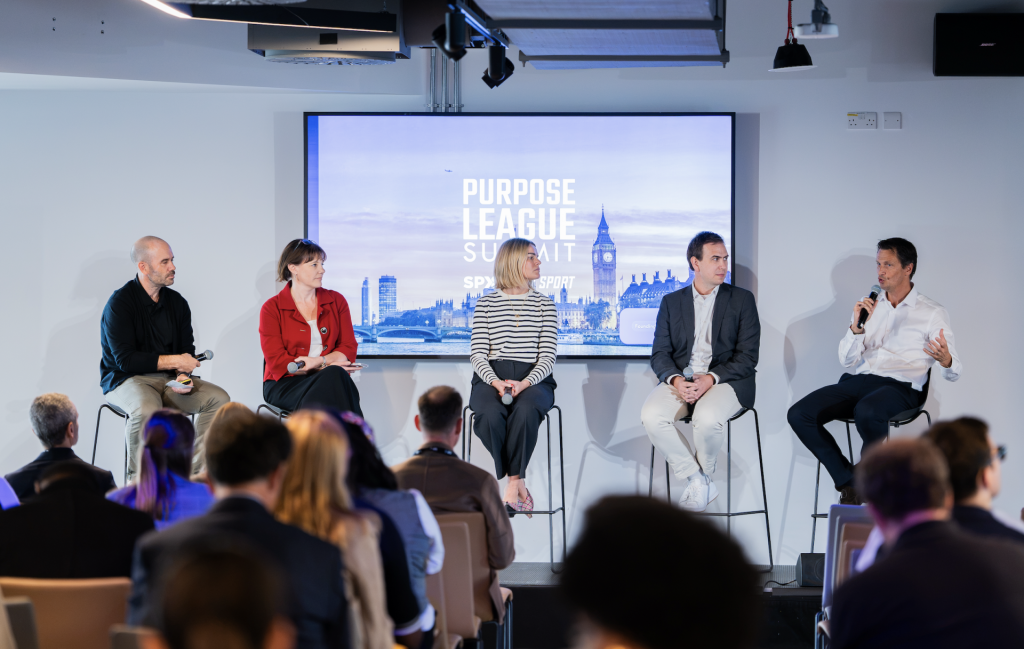
The SPX Purpose League Summit is a working summit for decision-makers interested in activating sport in a purpose-led way. Attendees will leave with an aligned peer network, data-backed insights, and the strategic commercial toolkits to transform sponsorship from an outsourced marketing expense into the single greatest driver of value.

Register for GSS Workshops today
Join the GSS Education programme today