
To access our unique news archive of over 1,400 articles with insights on over 500+ sustainable sports organisations, join the GSS Network today.
Login here if you are a registered network subscriber.
News article
TransCerrado 2026: Cycling Through Fire, Drought and the Fight to Protect Brazil’s Cerrado
A 300 km scientific cycling expedition through Brazil’s Cerrado has highlighted the growing threats posed by extreme heat, drought, wildfires and deforestation to one of the world's most important ecosystems.
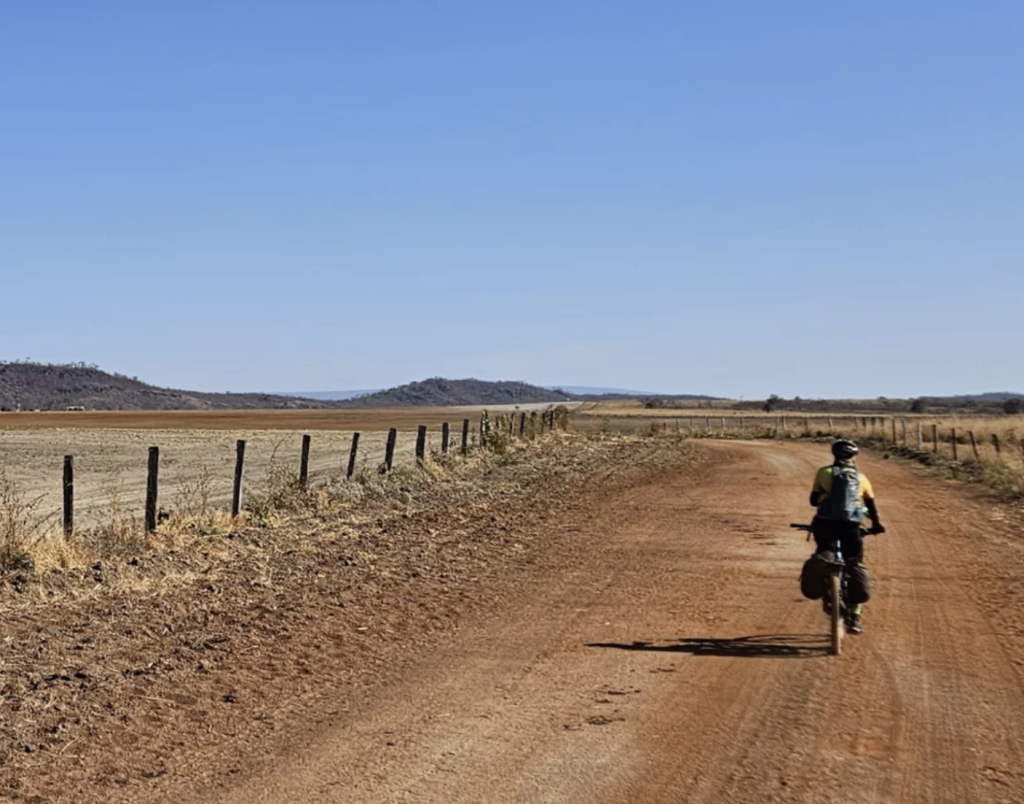
The seventh edition of TransCerrado, held in August 2026, brought together cyclists and scientists to investigate environmental changes across Brazil’s vast tropical savanna. Travelling through temperatures reaching 44°C, the expedition encountered severe wildfire damage alongside areas where traditional communities and conservation initiatives continue to protect natural landscapes.
Three months later, the scientists behind the expedition were helping to shape discussions at COP31 in Antalya, Turkey, calling for stronger action against deforestation and a fundamental change in how society values forests, biodiversity and the natural environment.
Cycling Through One of the World’s Most Important Ecosystems
In early August, seven cyclists, including scientists from the Amazon Environmental Research Institute (IPAM), travelled 300 km along the dirt roads of the Cerrado, passing through Terra Ronca State Park in central Brazil.
The expedition marked the seventh edition of TransCerrado, a scientific initiative established in 2019 that uses cycling as a means of exploring, researching and raising awareness of the environmental challenges facing the region.
Travelling by bicycle allows researchers to experience the landscape at a unique pace – slow enough to investigate water sources, observe ecosystems and engage with traditional communities, yet fast enough to cover significant distances and understand the wider environmental picture.
The Cerrado is the world’s most species-rich savanna and Brazil’s second-largest biome after the Amazon. Covering almost a quarter of the country, it encompasses vast grasslands, palm swamps known as veredas, and distinctive twisted-trunk trees adapted to prolonged dry seasons.
Often described as the “cradle of waters”, the Cerrado is the source of eight of Brazil’s 12 major river basins, making it essential to the country’s water security, biodiversity and agricultural production.
Yet this extraordinary ecosystem is under increasing pressure. Agricultural expansion has already contributed to the loss of approximately half its native vegetation, while rising temperatures, prolonged droughts and wildfires threaten what remains.
Extreme Heat and Drought Challenge the Expedition
The 2026 TransCerrado route was specifically designed to examine the relationship between extreme heat, fire and food production during a strong El Niño year.
The conditions encountered by the cyclists highlighted the severity of the challenge.
During the expedition, equatorial Pacific Ocean surface temperatures averaged 2.16°C above normal, indicating a strong El Niño event.
In the 120 days preceding the journey, the region received just 54 mm of rainfall, compared with a historical average of 120 mm. Maximum temperatures were also 1.7°C above the 1991–2020 average.
On the road, cyclists experienced temperatures reaching 44°C, with relative humidity falling to just 20%.
These extreme conditions provided a direct illustration of how climate change and climatic variability can affect both natural ecosystems and the ability of people to participate safely in outdoor activities.
Greeted by Fire
The environmental challenges became apparent before the expedition had even begun.
On arriving in Posse, the starting point of the journey, the team discovered a severe wildfire affecting approximately 60 km² of land.
Rather than avoiding the affected area, the researchers decided to investigate the damage firsthand.
Although the cause of the fire could not be established, scientists highlighted the importance of distinguishing natural fire cycles from human-induced burning.
According to Ane Alencar, IPAM’s Director of Science, natural fires in the Cerrado are primarily triggered by lightning during the transition into the rainy season, rather than at the height of the dry season in August.
The scale of the problem is significant.
According to MapBiomas’ Annual Fire Report, approximately 8.7 million hectares burned across the Cerrado in 2025, representing around two-thirds of the 12.7 million hectares burned throughout Brazil.
In June 2026, the Cerrado accounted for approximately 60% of all fire hotspots recorded nationally, with Brazil’s National Institute for Space Research (INPE) warning that the risk could increase as drought conditions intensified.
“People only remember there is a climate problem in the Cerrado when they smell the smoke or when water runs short,” said Paulo Moutinho, senior scientist at IPAM and creator of TransCerrado, in an interview with the institute.
"People only remember there is a climate problem in the Cerrado when they smell the smoke or when water runs short,"
The consequences extend far beyond biodiversity loss. Smoke from wildfires can travel considerable distances, affecting urban populations and contributing to respiratory illnesses and hospital admissions.
Protecting a Landscape That Still Holds On
Despite the damage witnessed during the expedition, TransCerrado also revealed the resilience of areas where ecosystems remain protected.
Around Terra Ronca, a combination of state parkland, an extractive reserve and quilombola territories – lands associated with communities descended from people who escaped slavery – has helped preserve native grasslands, clear rivers and important wetland habitats.
According to MapBiomas Fire, 87% of the area within 10 km of the expedition route had not burned between 1985 and 2025.
This provides an important indication of the role that protected areas and traditional land management can play in conserving biodiversity and reducing environmental degradation.
However, the cyclists also encountered evidence of continuing pressure, including human-set fires, degraded pastures and damaged riverside forests.
The contrast highlighted both the value of conservation and the vulnerability of landscapes exposed to unsustainable land use.
Brazil’s Environmental Future at a Crossroads
The future of the Cerrado is closely connected to Brazil’s political and environmental priorities.
Following the October 2026 presidential election, the government’s commitment to achieving zero deforestation by 2030 could provide an important opportunity to strengthen protection of the biome.
The proposed measures include addressing deforestation currently permitted under Brazilian law and restoring federal programmes designed to prevent and control deforestation and wildfires.
There are encouraging signs of progress.
According to INPE, deforestation in the Cerrado declined by 23.8% over the previous year, reaching its lowest level since 2001.
However, achieving long-term protection will depend on more than national government commitments.
Brazil’s Congress, state governments and regional authorities, particularly in Goiás and Tocantins, will play critical roles in land-use decisions, environmental enforcement, fire prevention and the management of protected areas.
The challenge is to balance agricultural production, economic development and environmental conservation while recognising the Cerrado’s importance to Brazil’s wider ecological and water systems.
COP31: Making Deforestation Morally Unacceptable
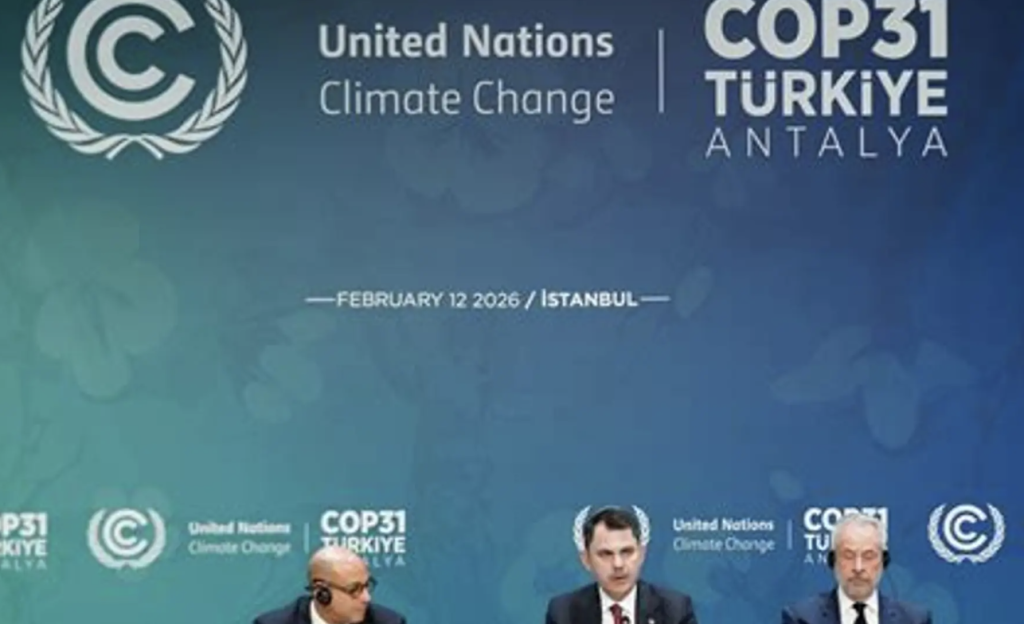
The environmental challenges witnessed during TransCerrado have taken on greater significance at COP31 in Antalya, Turkey, where scientists and policymakers are calling for stronger international action to protect Brazil’s forests and natural ecosystems.
During IPAM Day at COP31 on 16 November, researchers, government representatives and international organisations examined the growing threats from deforestation, wildfires and climate change, alongside the need for greater investment in conservation and sustainable food production.
André Guimarães, Executive Director of IPAM, argued that protecting forests must become a fundamental priority for governments, businesses and society.
“There is no way to achieve the expected results of the Paris Agreement without the integrity of the Amazon. It’s as simple as that. We cannot ensure global environmental services and food security without the Amazon,” he said.
Guimarães called for a fundamental change in attitudes towards forest destruction, declaring: “Let’s make deforestation morally unacceptable.”
The discussions also highlighted the growing danger posed by wildfires, an issue experienced firsthand by the TransCerrado cyclists.
"There is no way to achieve the expected results of the Paris Agreement without the integrity of the Amazon. It's as simple as that. We cannot ensure global environmental services and food security without the Amazon ... Let's make deforestation morally unacceptable."
Ane Alencar, IPAM’s Director of Science, warned that managing fire was becoming increasingly complex as temperatures rise and drought conditions intensify.
“This does not mean, however, that we should demonize fire. It is also an important tool for productive activities in the country. The challenge, therefore, is to regulate the use of fire. And how can we do that in the context of climate change?” she asked.
"This does not mean, however, that we should demonize fire. It is also an important tool for productive activities in the country. The challenge, therefore, is to regulate the use of fire. And how can we do that in the context of climate change?"
Marina Silva, Brazil’s former Minister of the Environment and Climate Change, emphasised that international commitments must be translated into practical action.
“It’s one thing to make a decision and put it on paper; it’s another to ensure its implementation,” she said.
"It's one thing to make a decision and put it on paper; it's another to ensure its implementation,"
Although the COP31 discussions focused particularly on the Amazon, the challenges of deforestation, drought, wildfire management and protecting traditional communities are equally relevant to the Cerrado.
For TransCerrado, the discussions reinforce the importance of combining scientific research, community engagement and environmental advocacy. The expedition provides a practical example of how cycling can help document environmental change while bringing greater public attention to the need to protect vulnerable ecosystems.
Why the Future of the Cerrado Matters to Sport
For the global sporting community, TransCerrado offers an important reminder of the relationship between sport and the natural environment.
The Cerrado is increasingly used by cyclists, runners, hikers and outdoor enthusiasts who depend on healthy ecosystems, reliable water supplies, clean air and safe conditions to participate.
Extreme temperatures, wildfire smoke and environmental degradation threaten not only biodiversity and local communities but also the future of outdoor sport and recreation.
At the same time, TransCerrado demonstrates how sport can contribute positively to environmental protection.
By combining physical activity with scientific research, community engagement and environmental education, the expedition has created a platform for understanding and communicating the challenges facing one of the world’s most important ecosystems.
Cycling becomes more than a recreational or competitive activity. It becomes a means of collecting evidence, connecting communities and encouraging action.
Cycling for the Preservation of the Cerrado
For Paulo Moutinho, the evolution of TransCerrado reflects the wider potential of the initiative.
“We started out talking about cycling and ended up talking about preserving the Cerrado,” he explained.
"We started out talking about cycling and ended up talking about preserving the Cerrado,"
That message extends well beyond Brazil.
Sport depends on healthy natural environments, but it also has the capacity to bring people closer to nature, build understanding and mobilise communities around its protection.
As Brazil determines the future of the Cerrado, TransCerrado provides an example of how science, sport and conservation can work together.
The challenge now is to ensure that the landscapes which make outdoor sport possible are protected for future generations.
TransCerrado is a scientific cycling expedition organised by the Amazon Environmental Research Institute (IPAM) since 2019.
Follow the expedition: @bike_transcerrado
Contact: bike.transcerrado@gmail.com
Read moreAmazon Environmental Research Institute (IPAM)












Join the GSS Alliance Partners programme today
Stay ahead of the game with our FREE weekly newsletter, delivering the latest sport and sustainability news from around the globe straight to your inbox

11th Hour Racing
Join the GSS Network programme today



Register for GSS Workshops today
Join the GSS Education programme today