
To access our unique news archive of over 1,400 articles with insights on over 500+ sustainable sports organisations, join the GSS Network today.
Login here if you are a registered network subscriber.
News article
New Leadership, Measurable Progress: FIS Looks to Unite Winter Sport Around Sustainability
The International Ski and Snowboard Federation (FIS) has entered a period of significant transition, combining a change in leadership with the publication of its latest sustainability report as it seeks to strengthen governance and long-term impact across global winter sport.
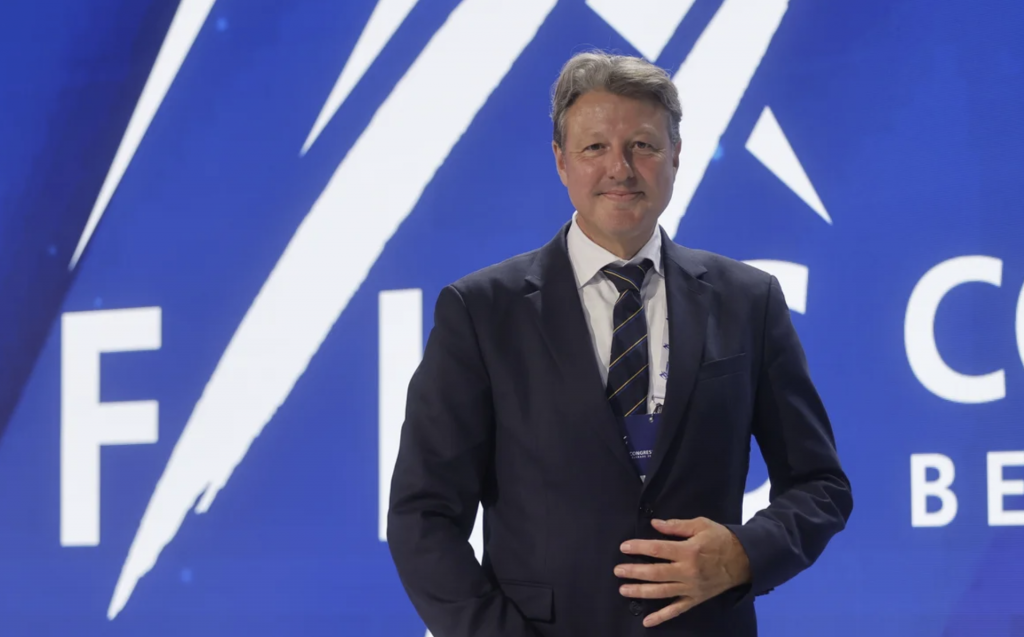
Within the space of a week, FIS confirmed the departure of Chief Executive Officer Urs Lehmann, elected Alexander Ospelt as its new President following a closely contested vote at the 57th FIS Congress in Belgrade, and released its 2025 Impact Report highlighting progress on climate action, governance and social responsibility.
Leadership Change Comes at a Critical Time
The developments come at a pivotal moment for winter sport. Climate change continues to pose an existential challenge to snow-based sports, while international federations face increasing expectations around governance, transparency and sustainability.
FIS stressed that the departure of Lehmann would not affect the organisation’s strategic direction, noting that it continues to benefit from “strong governance structures, an experienced management team, and a clear strategic framework approved by its governing bodies.”
The federation also reaffirmed its commitment to strengthening long-term sustainability and supporting the development of skiing and snowboarding worldwide.
Ospelt Calls for Unity
At the FIS Congress, delegates elected Alexander Ospelt of Liechtenstein as the federation’s new President following one of the closest presidential contests in recent memory, with Ospelt securing victory by a single vote.
Acknowledging the divisions revealed by the election, Ospelt made unity his immediate priority.
“There’s been some great dialogue in the build-up to this Congress and it’s been very interesting to talk to representatives from all different countries, but the result shows we’re still divided. I see this division as a chance, rather than a problem. My first task will be bringing unity and a common ambition to drive FIS forward together.”
"There's been some great dialogue in the build-up to this Congress and it's been very interesting to talk to representatives from all different countries, but the result shows we're still divided. I see this division as a chance, rather than a problem. My first task will be bringing unity and a common ambition to drive FIS forward together."
A central element of his vision is ensuring that smaller National Ski Associations have a stronger voice within the federation.
“I’ve requested that the bigger states show solidarity with the smaller states – it’s not in anybody’s best interest to just have athletes from the leading nations competing in the World Cup.”
The emphasis on collaboration reflects a broader ambition to strengthen participation, athlete development and competitive balance across winter sport.
"I've requested that the bigger states show solidarity with the smaller states – it's not in anybody's best interest to just have athletes from the leading nations competing in the World Cup."
Sustainability Progress Backed by Evidence
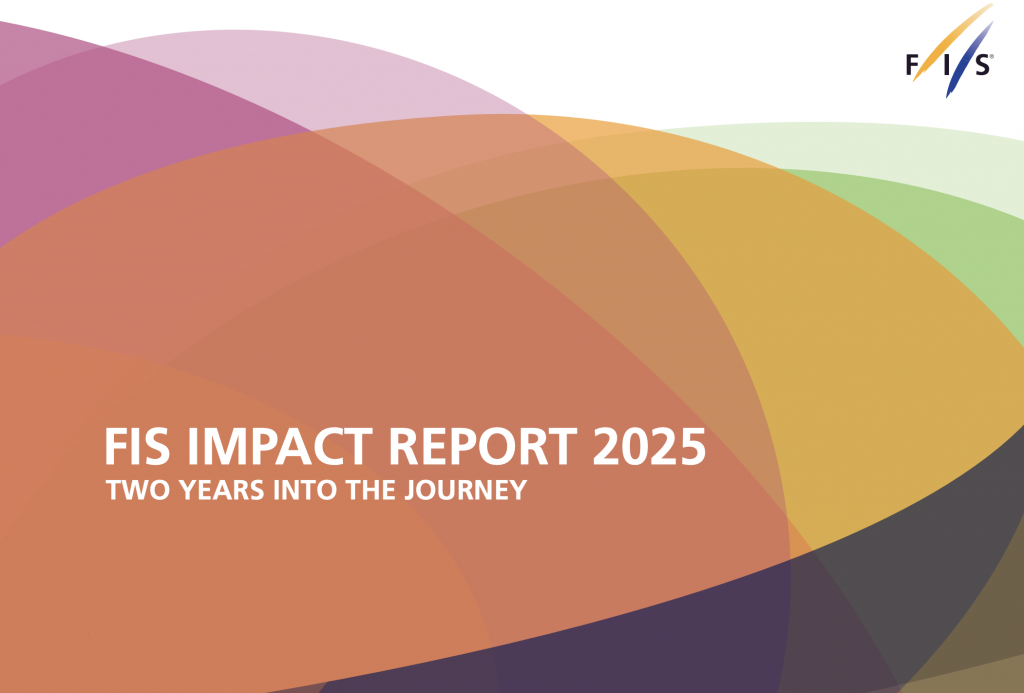
The leadership transition coincides with the publication of the FIS Impact Report 2025, which documents the federation’s sustainability journey and highlights measurable progress across environmental, social and governance priorities.
Among the headline achievements are the continued expansion of the FIS CO₂ Calculator, which received the 2025 Sport Positive Award for Inspired Innovation, the launch of new biodiversity protection initiatives, two new strategic partnerships, sustainability education programmes, and the establishment of a central hub for athlete health.
The report also notes that women now represent 30% of the FIS Council, while 20 participants have completed the Women Lead Sports programme.
FIS continues to align its sustainability efforts with the UN Sports for Climate Action framework and maintains targets to reduce emissions by 50% by 2030 and achieve net zero by 2040.
From Intent to Impact
The publication of the second FIS Impact Report demonstrates that the federation is beginning to move beyond ambition towards measurable delivery. From emissions measurement and biodiversity conservation to athlete wellbeing and governance reform, FIS is building the foundations of a more sustainable future for winter sport.
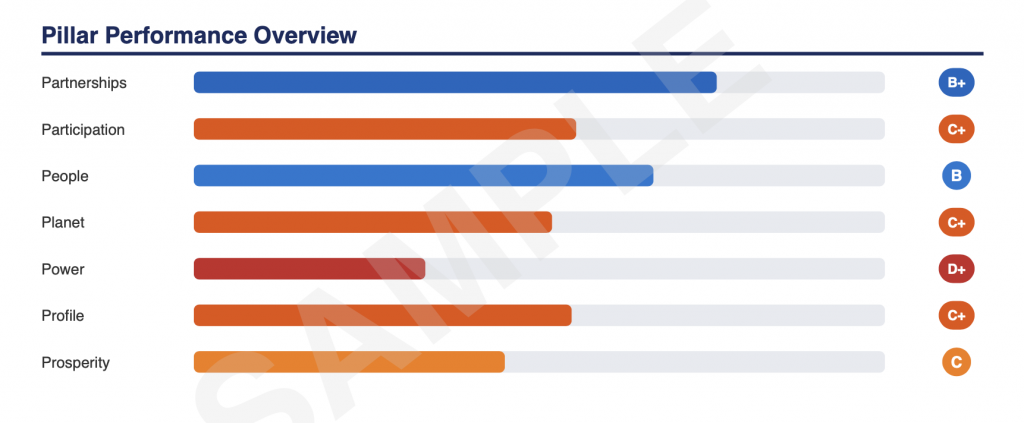
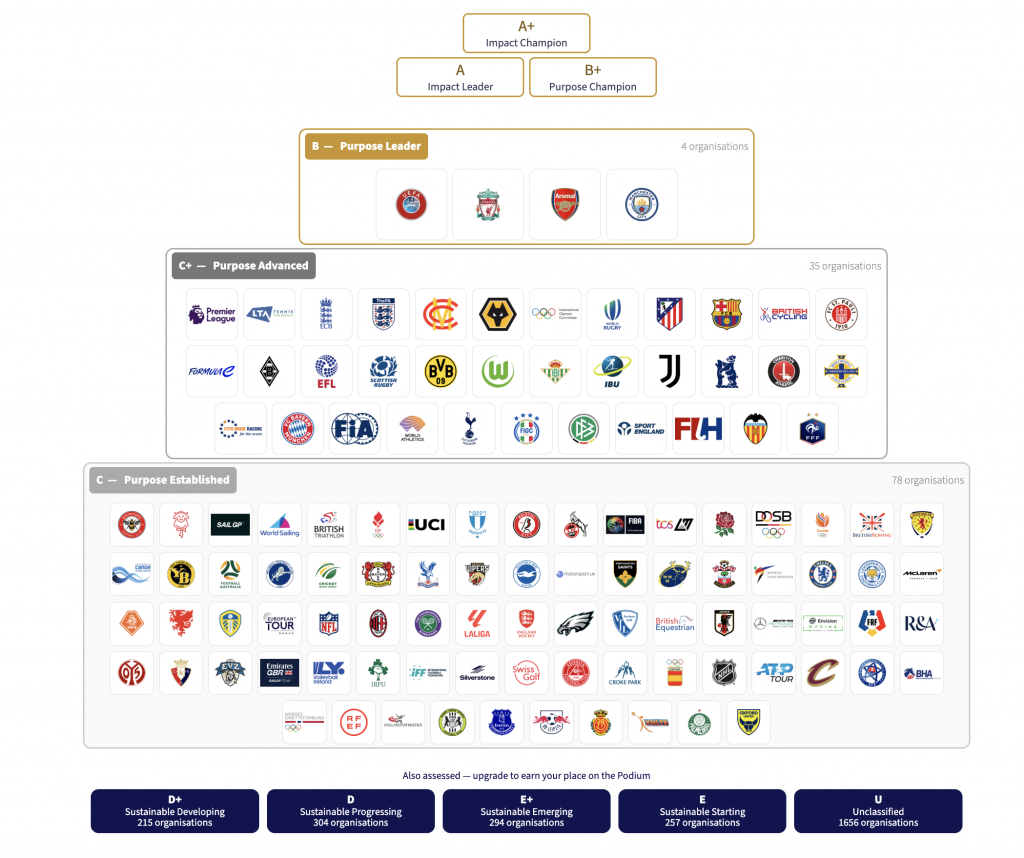
However, significant challenges remain. In the first release of the GSS SPI Index, published last week, FIS currently sits outside the Purpose Podiums, highlighting both the progress already achieved and the opportunity that remains to further embed sustainability, purpose and impact across the organisation. For a federation whose sports are among the most directly exposed to the effects of climate change, the coming years will be critical.
A New Start for Winter Sport
As he begins his presidency, Ospelt has made clear that listening, inclusion and collaboration will be at the centre of his approach.
“I want every NSA to feel like now is a new start, that I will take all their concerns seriously and that every NSA must be treated with the same importance as any other.”
He also believes that the breadth of disciplines within skiing and snowboarding presents opportunities for innovation and growth.
"I want every NSA to feel like now is a new start, that I will take all their concerns seriously and that every NSA must be treated with the same importance as any other ... we can also learn from organisers of big Ski Jumping events like the Four Hills Tournament, sharing good ideas across venues and across disciplines. I think the fact that we've got so many disciplines is an opportunity for us."
“We can also learn from organisers of big Ski Jumping events like the Four Hills Tournament, sharing good ideas across venues and across disciplines. I think the fact that we’ve got so many disciplines is an opportunity for us.”
With new leadership in place, a renewed focus on unity, and a growing body of evidence behind its sustainability programme, FIS enters its next chapter facing both significant challenges and significant opportunities. The question now is whether the federation can convert measurable progress into the kind of impact that will see it join the leading organisations on the GSS Purpose Podiums in the years ahead.
Read moreFIS









Join the GSS Alliance Partners programme today
Stay ahead of the game with our FREE weekly newsletter, delivering the latest sport and sustainability news from around the globe straight to your inbox
11th Hour Racing
Join the GSS Network programme today




Register for GSS Workshops today
Join the GSS Education programme today