
To access our unique news archive of over 1,400 articles with insights on over 500+ sustainable sports organisations, join the GSS Network today.
Login here if you are a registered network subscriber.
News article
Top storyRacing for Change: How the Black Foils Are Using Sport to Protect the Ocean
Winning races has never been the sole ambition of New Zealand's Black Foils. While the SailGP team continues to compete at the highest level on the water, its wider mission is increasingly focused on protecting the ocean that makes elite sailing possible.
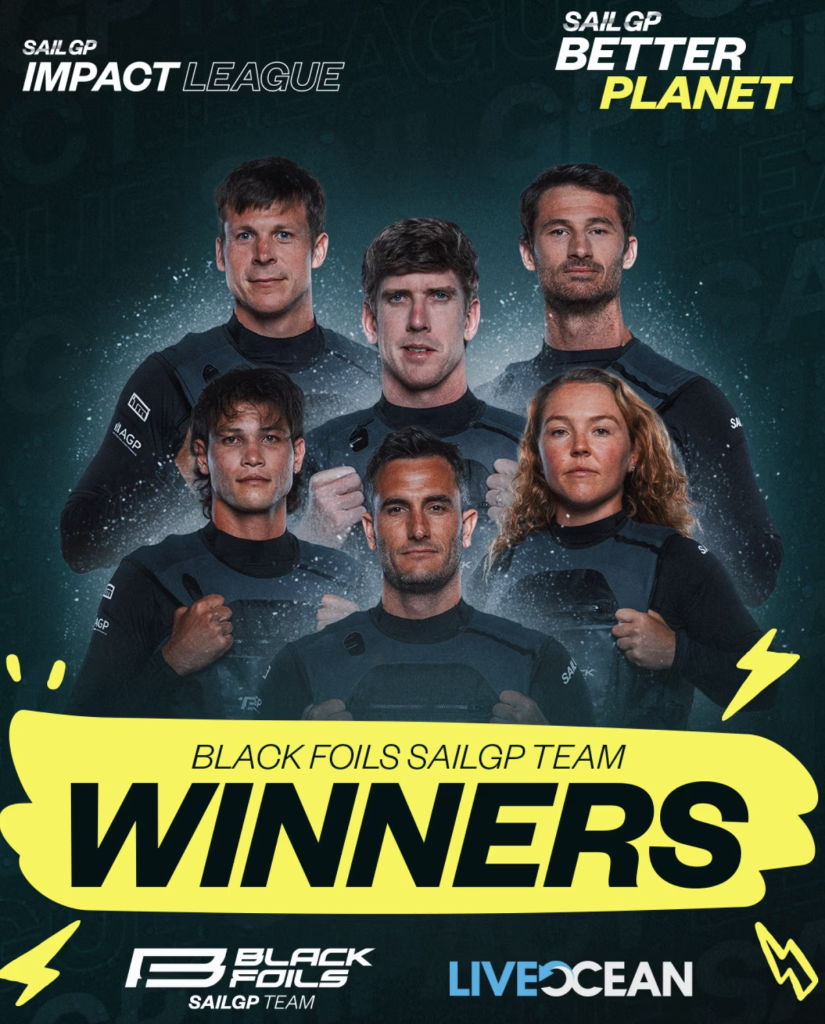
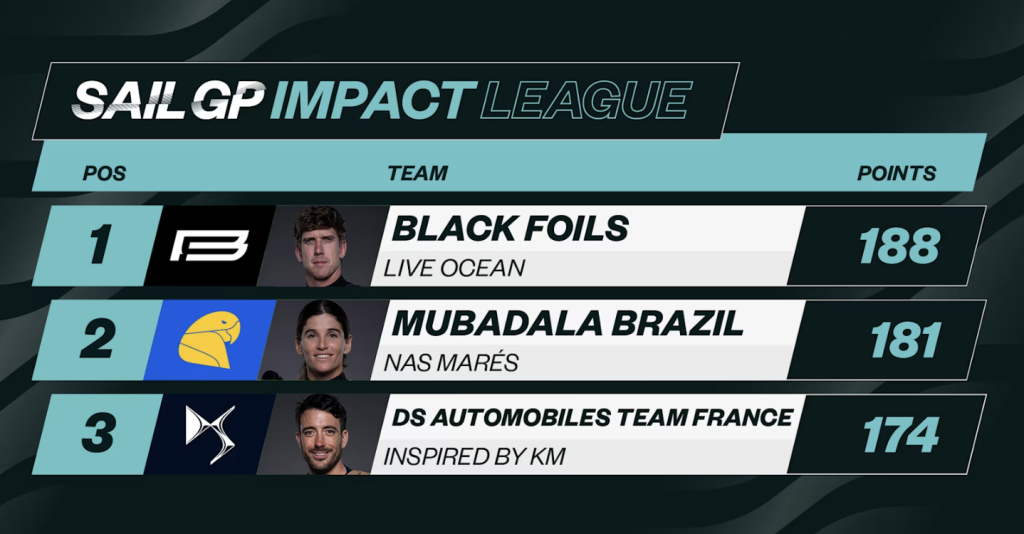
That commitment was recognised this month when the Black Foils won SailGP’s Better Planet Award as part of the league’s Impact League, honouring the team’s contribution to the Swim4TheOcean campaign and its advocacy to end destructive bottom trawling. The award places the team at the top of SailGP’s 2026 Impact League, recognising environmental and social impact alongside sporting performance.
Speaking to Global Sustainable Sport, Black Foils co-CEO and Live Ocean co-founder Blair Tuke explained that the recognition reflects years of strategic planning rather than a single campaign.
“It’s the best example I’ve seen of using the power of sport and the platforms that we’ve got for real, meaningful change,” he says. “Athletes stand for something greater than just the sport.”
"It's the best example I've seen of using the power of sport and the platforms that we've got for real, meaningful change. Athletes stand for something greater than just the sport."
More than just a remarkable swim
The award centres on Swim4TheOcean, an extraordinary challenge undertaken by ultramarathon swimmer Jono Ridler, who swam 1,367 kilometres down New Zealand’s North Island over 90 days before delivering a petition of 73,647 signatures to Parliament calling for action on bottom trawling.
For Tuke, however, the swim itself was never the destination.
“What Jono did is one of the greatest endurance feats of all time, but this was always more than just a swim, it was a platform to create change. Swim4TheOcean was one of the most challenging and rewarding projects I’ve ever been involved in and I’m so proud of what was achieved. We saw New Zealanders really come around this with a snowball of support, giving us a powerful platform to drive positive action for the ocean.”
Rather than simply demanding an immediate ban, Live Ocean developed a phased policy proposal. The first objective was ending permits allowing New Zealand vessels to bottom trawl on South Pacific high-seas seamounts. The next is ending bottom trawling on seamounts within New Zealand waters before supporting a wider transition towards less destructive fishing methods.

“What Jono did is one of the greatest endurance feats of all time, but this was always more than just a swim, it was a platform to create change. Swim4TheOcean was one of the most challenging and rewarding projects I’ve ever been involved in and I’m so proud of what was achieved. We saw New Zealanders really come around this with a snowball of support, giving us a powerful platform to drive positive action for the ocean.”
Changing the national conversation
Although the New Zealand Government has yet to implement all of Live Ocean’s recommendations, Tuke believes the campaign has already achieved something equally significant.
“They can’t really ignore the conversation now,” he says.
Public opinion suggests that assessment is well founded.
Research commissioned by WWF-New Zealand found that 91% of New Zealanders say the ocean is important to them, while 70% are concerned about its health. Significantly, commercial fishing methods such as bottom trawling are now viewed as the country’s biggest marine environmental threat by 47% of respondents, up from 37% just two years earlier and 90% want bottom trawling limited in some form. The survey also found 81% support expanding marine protection, while 82% believe New Zealand should honour its international commitment to protect 30% of its ocean by 2030.
Those findings closely mirror the objectives of the Swim4TheOcean campaign, demonstrating how sustained advocacy can influence both awareness and public priorities.
"They can't really ignore the conversation now,"
Building a platform, not just a campaign
The roots of Live Ocean stretch back to 2019, shortly after Tuke and fellow Olympic champion Peter Burling competed in the Volvo Ocean Race.
Experiencing environmental challenges first-hand during the circumnavigation fundamentally changed their thinking.
“We came out and thought, how do we do more with our platform? The Ocean Race opened our eyes. We realised New Zealand could have its greatest influence by doing something here that creates benefits for the world.”
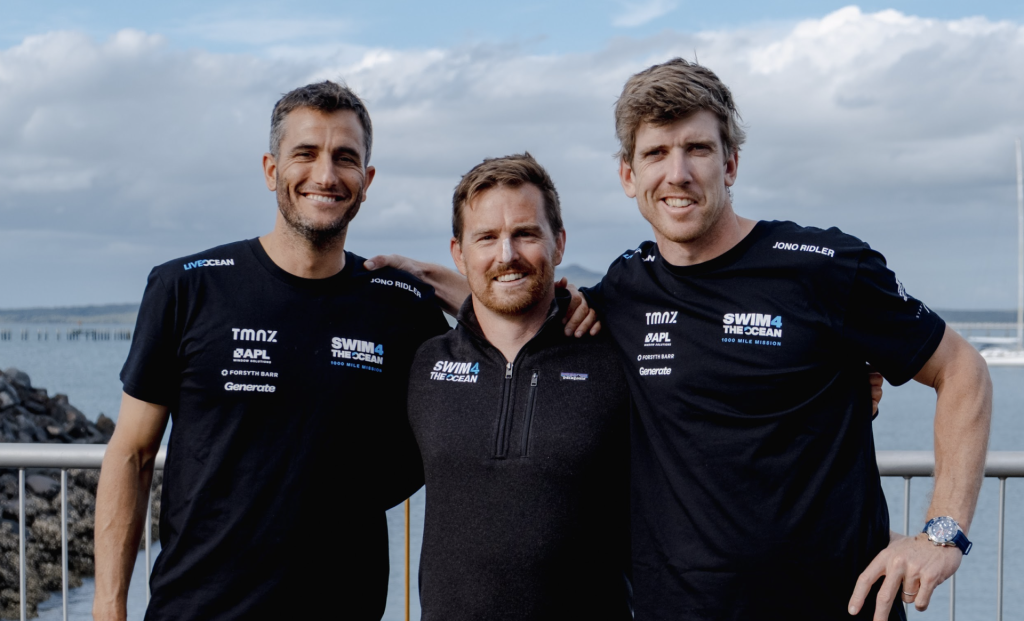
"We came out and thought, how do we do more with our platform? The Ocean Race opened our eyes. We realised New Zealand could have its greatest influence by doing something here that creates benefits for the world."
Since then, Live Ocean has evolved into one of the most influential athlete-led marine conservation organisations in global sport.
Its work spans tracking endangered Antipodean albatrosses, monitoring black petrels, whale genomics research, understanding kelp’s role in carbon sequestration, supporting Māori voyaging initiatives and advocating for systemic policy change. Tuke describes the philosophy as deliberately broad.
“The ocean faces so many different pressures—from climate change and plastics to fishing and sedimentation. We want to do projects right across that spectrum.”
"The ocean faces so many different pressures—from climate change and plastics to fishing and sedimentation. We want to do projects right across that spectrum."
From science to systemic change
One of the themes running throughout Live Ocean’s work is the journey from scientific research to public awareness and ultimately political action.
Tuke points to the foundation’s first major project tracking endangered Antipodean albatrosses. Scientific evidence helped identify where birds were interacting with fishing vessels before communications campaigns amplified the findings and ultimately contributed to changes in fishing regulations.
“It’s science first, then public awareness, and then systemic change,” he explains.
It is a model that increasingly reflects the direction of sustainability across sport more broadly — moving beyond awareness campaigns towards evidence-based advocacy capable of influencing policy.
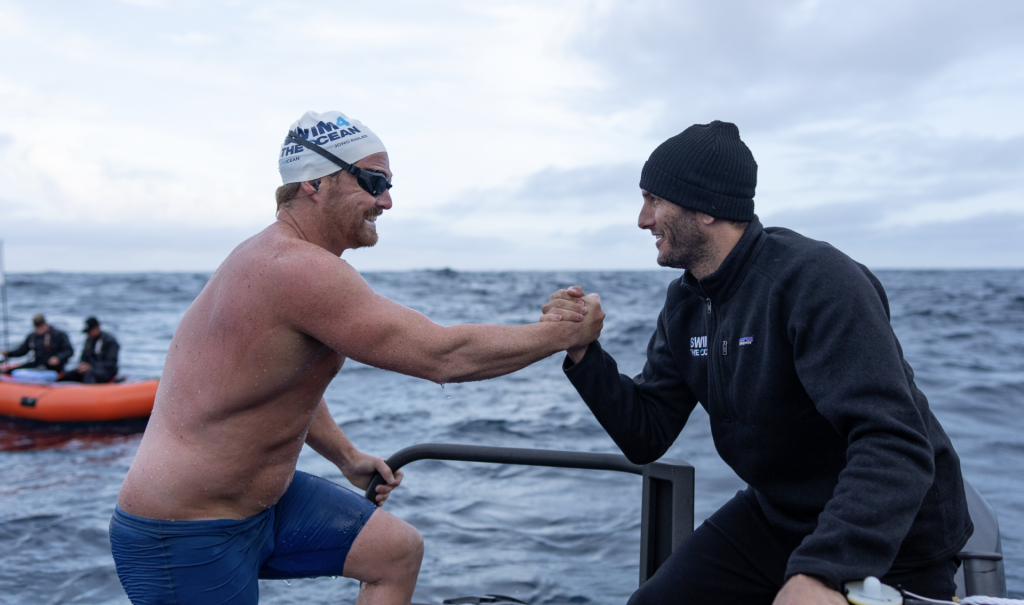
"It's science first, then public awareness, and then systemic change,"
Sport’s opportunity to lead
Perhaps the most striking aspect of the Black Foils’ story is that the environmental work is not treated as a parallel programme but as part of the team’s identity.
SailGP’s Impact League has provided an incentive, but Tuke is clear that the mission extends well beyond winning sustainability awards.
The team is already preparing its next Impact League initiative, while continuing to integrate environmental advocacy into its sporting platform.
The Black Foils represent an increasingly important evolution within elite sport. Rather than viewing sustainability as a communications exercise or corporate responsibility programme, they have demonstrated how athletes, science, storytelling and competition can combine to influence national debate.
Winning the Better Planet Award recognises that achievement. But if Swim4TheOcean ultimately contributes to changing policy and protecting some of the world’s richest marine ecosystems, the greatest victory may prove to have been achieved far beyond the racecourse.
Read moreBlack Foils/Live Ocean









Join the GSS Alliance Partners programme today
Stay ahead of the game with our FREE weekly newsletter, delivering the latest sport and sustainability news from around the globe straight to your inbox
11th Hour Racing
Join the GSS Network programme today


Register for GSS Workshops today
Join the GSS Education programme today