
To access our unique news archive of over 1,400 articles with insights on over 500+ sustainable sports organisations, join the GSS Network today.
Login here if you are a registered network subscriber.
News article
Top storyProtecting the White Winter: Nordic Sustainability Arena Returns to Åre with a Global Call to Action
The Alpine World Cup in Åre, Sweden, is renowned for its dramatic downhill races and iconic mountain landscapes. Yet as climate change accelerates, the very snow that underpins winter sport is becoming increasingly fragile. Against this backdrop, the Nordic Sustainability Arena (NoSA) will return to Åre from 12–15 March 2026, positioning elite sport as a catalyst for climate action and systems change.
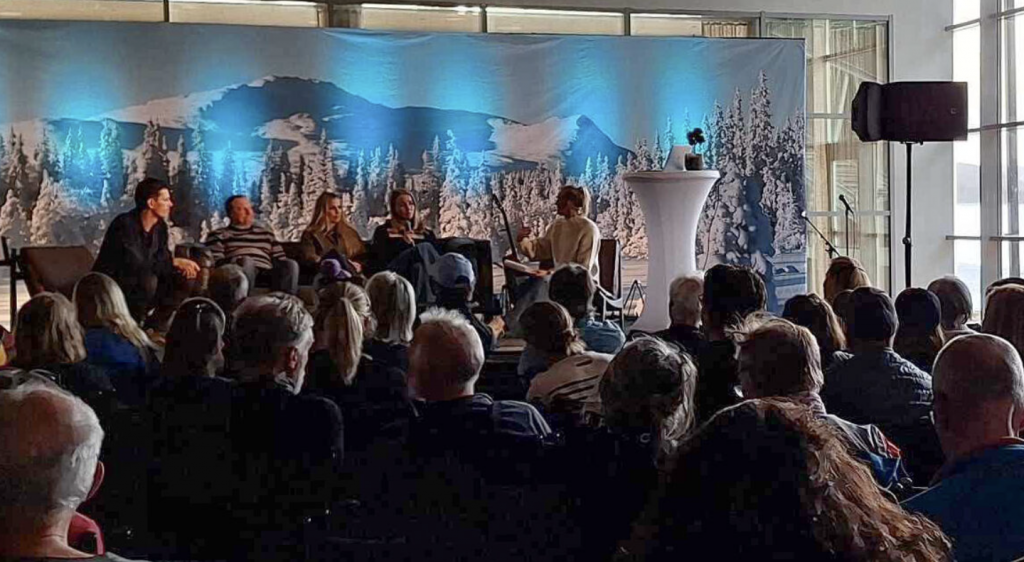
Speaking to Global Sustainable Sport, Titti Rodling, Strategic Lead for NoSA, described the initiative as a platform designed to turn concern into collective action. “The changes we are seeing in snowy regions are a stark reminder of what we stand to lose,” she said. “Time is running out, but we still have a chance to change the climate pathway – if we act together.”
“The changes we are seeing in snowy regions are a stark reminder of what we stand to lose. Time is running out, but we still have a chance to change the climate pathway – if we act together.”
A Meeting Place Dedicated to “Protecting White Winters”
NoSA is not framed as a traditional conference. Instead, it positions itself as a “meeting place dedicated to protecting white winters”, bringing together business leaders, scientists, policymakers, athletes and sporting organisations during the Audi FIS Alpine Ski World Cup weekend in Åre.
Built on a science-based foundation, the programme focuses on four interconnected systems where sport can exert influence: mobility, food systems, legal responsibility and financing. The aim is to explore how these levers can be re-shaped to accelerate climate transition while remaining within planetary boundaries.
“We believe that change requires both gravity and energy,” Rodling explained. “We combine serious, evidence-based discussions with the emotional power of sport, nature and culture. That combination helps move people from awareness to action.”
“We believe that change requires both gravity and energy,” Rodling explained. “We combine serious, evidence-based discussions with the emotional power of sport, nature and culture. That combination helps move people from awareness to action.”
Cross-Sport Learning: Liverpool FC Brings Football into the Conversation
One of the most notable additions to the 2026 programme is the inclusion of elite football. Liverpool FC’s Director of Impact, Rishi Jain, will deliver a keynote on how major sports organisations can mobilise fans, athletes and commercial partners around sustainability and social responsibility.
Jain, who leads Liverpool’s holistic sustainability strategy, The Red Way, said he was looking forward to learning from the winter sports community while sharing insights from elite football. “Sport has an unmatched ability to engage people emotionally,” he noted. “When sustainability is embedded into the culture of a club or event, it can reach far beyond the stadium or the slopes.”
Rodling believes this cross-sport exchange is critical. “Winter sport can learn from football’s global reach, while football can learn from winter sport’s close relationship with nature and climate. The challenges may look different, but the systems we need to change are shared.”

“Sport has an unmatched ability to engage people emotionally. When sustainability is embedded into the culture of a club or event, it can reach far beyond the stadium or the slopes.”
Food for White Winters: Turning Science into Action
A central initiative at NoSA 2026 will be the Food for White Winters pilot, delivered in partnership with FIS, scientists, athletes and local food actors. The project aims to investigate and test how food served at major sporting events can support elite performance while reducing environmental impact.
With around one-third of global greenhouse gas emissions linked to food production, the initiative reframes catering as a serious climate lever rather than a peripheral issue. During the Åre World Cup weekend, athletes & volunteers, conference attendees and partners, will be served test meals designed to reduce the carbon footprint, with researchers tracking the environmental footprint of these choices.
Former Olympic champion Charlotte Kalla has publicly backed the initiative, highlighting the cultural power of athletes’ everyday decisions. “When we choose more locally and sustainably produced food, we’re not only supporting our performance, we’re also protecting the winters our sport depends on,” she said.
Rodling sees food as a gateway issue for broader systems change. “Everyone eats. That makes food a powerful entry point for conversations about climate, health, culture and responsibility. If it works in a high-performance environment like the World Cup, it can work anywhere.”

“When we choose more locally and sustainably produced food, we’re not only supporting our performance, we’re also protecting the winters our sport depends on,”
From Discussion to Delivery
By embedding NoSA within the intensity and global visibility of the FIS Alpine World Cup, organisers are deliberately reaching beyond the “usual sustainability audience”. Workshops, roundtables and keynote sessions are complemented by skiing, exhibitions and cultural moments, creating what Rodling describes as “a space where urgency meets optimism”.
Crucially, NoSA is also exploring how to measure whether such forums genuinely drive change. Researchers and students are working alongside organisers to assess whether these gatherings lead to tangible collaborations, policy shifts or operational changes within participating organisations.
“We don’t just want good conversations,” Rodling said. “We want new partnerships, pilots and commitments that carry on long after the last race has finished.”
“We don’t just want good conversations. We want new partnerships, pilots and commitments that carry on long after the last race has finished.”
Sport as a Climate Signal
As winter sport faces mounting disruption from warming temperatures, unreliable snow cover and extreme weather, NoSA positions the sector as both vulnerable to climate change and uniquely powerful in shaping public narratives about it.
The return of the Nordic Sustainability Arena in 2026 reflects a growing recognition that sport cannot remain neutral in the climate transition. Through leadership, cross-sport collaboration and practical experimentation, from mobility to food systems, NoSA is seeking to show how events can move from symbolic sustainability messaging to measurable, systemic impact.
In Åre next March, the message will be clear: protecting white winters is no longer a metaphor. It is a practical, collective challenge – and sport has a responsibility to help lead the response.
Read moreNordic Sustainability Arena












Join the GSS Alliance Partners programme today
Stay ahead of the game with our FREE weekly newsletter, delivering the latest sport and sustainability news from around the globe straight to your inbox


11th Hour Racing
Join the GSS Network programme today


Register for GSS Workshops today
Join the GSS Education programme today