
To access our unique news archive of over 1,400 articles with insights on over 500+ sustainable sports organisations, join the GSS Network today.
Login here if you are a registered network subscriber.
News article
Racing the Whimbrel: The 30,000km Expedition Linking Sport, Science and Nature
In a world increasingly disconnected from the natural systems that sustain it, two explorers are preparing to embark on an odyssey that pushes the boundaries of endurance, science and storytelling.
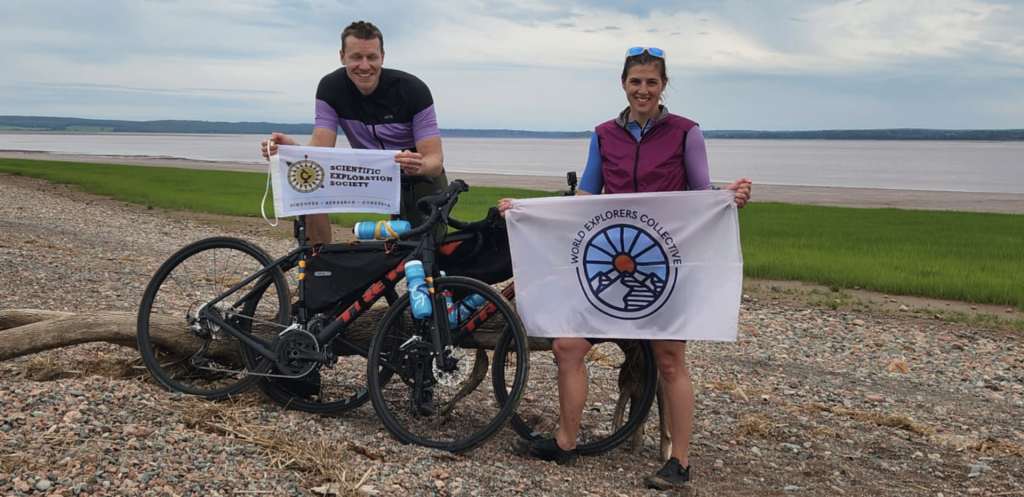
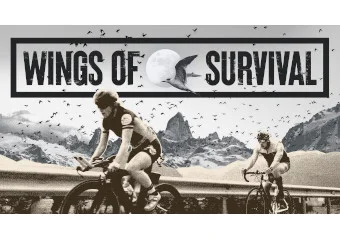
In July 2026, Dr Timm Döbert, a tropical ecologist, and Leanna Carriere, an extreme athlete and mother, will set off from the Arctic Ocean on a journey that will carry them more than 30,000 kilometres to Tierra del Fuego at the southern tip of South America. The expedition, called “Wings of Survival”, will take nine months and cross 15 countries as the pair cycle the length of the Americas.
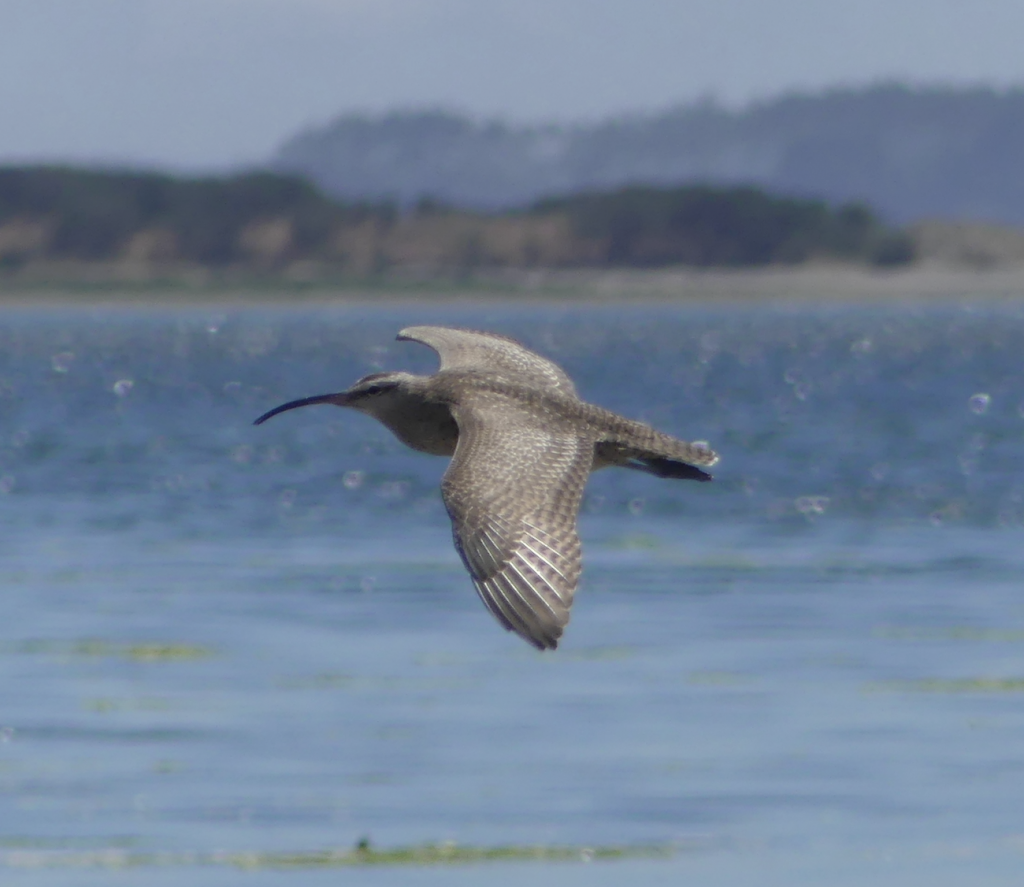
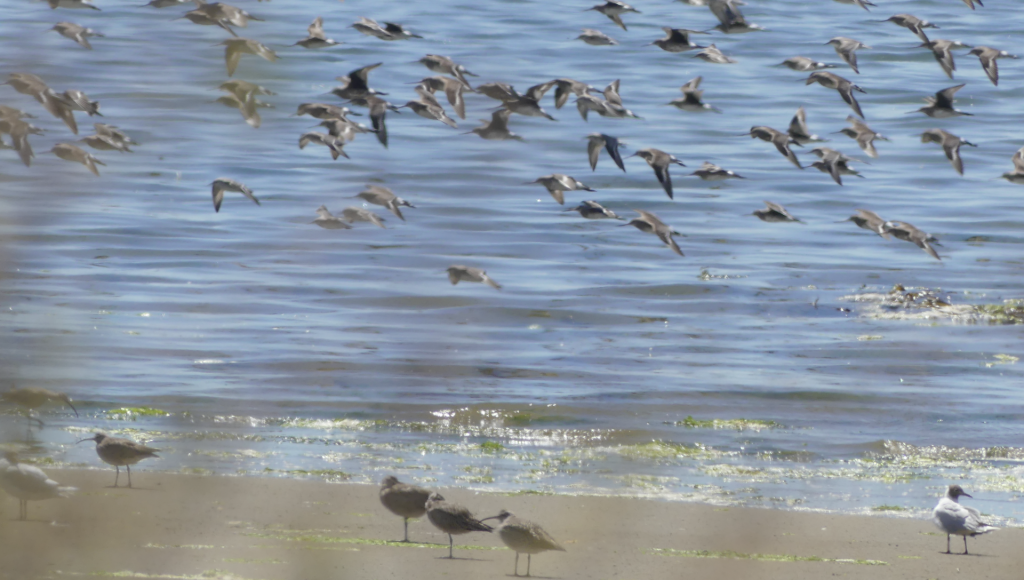
But for Döbert and Carriere, this is far more than an endurance challenge. The expedition is designed as what they call a “Race with Nature” — a journey inspired by one of the planet’s most extraordinary feats of endurance: the migration of the whimbrel, a long-distance shorebird capable of travelling thousands of kilometres between the Arctic and South America.
As they travel south, the two cyclists will follow the Pacific–Americas flyway used by the whimbrel, tracing the same route taken by the birds each year.
Their goal is simple but ambitious: to reconnect people with the natural world.
Reconnecting the Web of Life
For Döbert, the idea behind Wings of Survival emerged from a growing concern that we humans have become dangerously detached from the ecosystems that sustain us.
“Wings of Survival is founded on the idea of re-establishing the connection we have with the natural world,” he explains. “That loss of connection is fundamentally the root cause of many of the dilemmas we’re facing — biodiversity loss, climate change and environmental pollution.”
Since 1970, global wildlife populations have declined by around 70 per cent, a statistic that Döbert believes reflects not only environmental pressures but also a deeper cultural shift.
“We need to reassess our role in the web of life,” he says. “Are we really here to selfishly dominate the planet, or should we be the responsible species that looks after all the others?”
“Wings of Survival is founded on the idea of re-establishing the connection we have with the natural world, That loss of connection is fundamentally the root cause of many of the dilemmas we’re facing — biodiversity loss, climate change and environmental pollution. "
The expedition will track several GPS-tagged whimbrels as they migrate south along the Pacific–Americas flyway, creating a powerful parallel between human endurance and one of nature’s most remarkable migratory journeys.
For scientists involved in the project, the whimbrel offers both inspiration and warning — a species capable of astonishing resilience, yet increasingly vulnerable to habitat loss, climate change and human infrastructure.
“It’s not really a fair race,” Döbert admits with a smile. “The birds can travel far faster than we can. But the idea is to make their journey visible and relatable.”
"We need to reassess our role in the web of life. Are we really here to selfishly dominate the planet, or should we be the responsible species that looks after all the others?"
The Science of Resilience
At its core, Wings of Survival is also a scientific research platform.
An international team of researchers will study bird migration patterns alongside the physiological resilience of ultra-endurance athletes operating on plant-based diets.
The whimbrel migration study sits at the heart of the expedition. Researchers have fitted GPS transmitters to several birds in Chile, allowing scientists to track their journeys north to Alaska and back again along the flyway. Döbert and Carriere will attempt to mirror parts of that journey by bicycle, offering a rare opportunity to connect scientific data with human storytelling.
The research builds on a 4,300-kilometre pilot expedition across Canada that Döbert and Carriere completed previously. The journey formed the basis of a scientific case study published in Physiological Reports, examining the nutritional demands of cyclists undertaking sustained endurance exercise while maintaining a strictly plant-based diet.
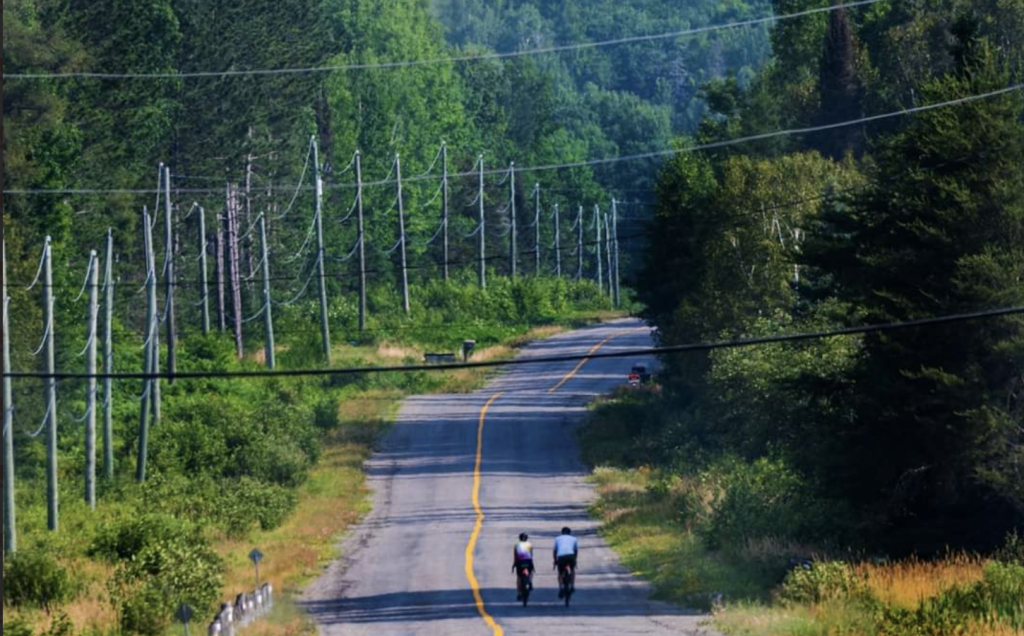
Despite riding an average of nearly 144 kilometres per day for 30 days, both athletes maintained stable body weight and high levels of performance.
The results challenged persistent assumptions about plant-based diets in endurance sport. Carriere required more than 4,500 calories per day, while Döbert consumed more than 6,400 calories during the latter stages of the ride. Both athletes successfully met high protein requirements entirely from plant sources.
Remarkably, Döbert increased fat-free mass while reducing body fat during the expedition.
For Carriere, the findings provided confidence ahead of the far greater challenge that lies ahead.
“The exciting part was that the study didn’t show dramatic changes,” she says. “It showed that what we were doing worked — that we could meet our nutritional needs, stay healthy and maintain performance.”
“The exciting part was that the study didn’t show dramatic changes. It showed that what we were doing worked — that we could meet our nutritional needs, stay healthy and maintain performance.”
Life on the Road
Cycling thousands of kilometres across Canada also revealed how unpredictable life on the road can be.
Broken equipment, sudden weather changes and remote landscapes forced the pair to adapt constantly — lessons that will be essential during a nine-month expedition across the Americas.
“One of the biggest things we learned is that you have to be ready to adapt,” Carriere says. “You can plan everything, but things will always happen that you can’t predict. The key is to stay calm and keep moving forward.”
The physical demands are immense. Together the cyclists may consume up to 15,000 calories per day to maintain energy levels during the expedition.
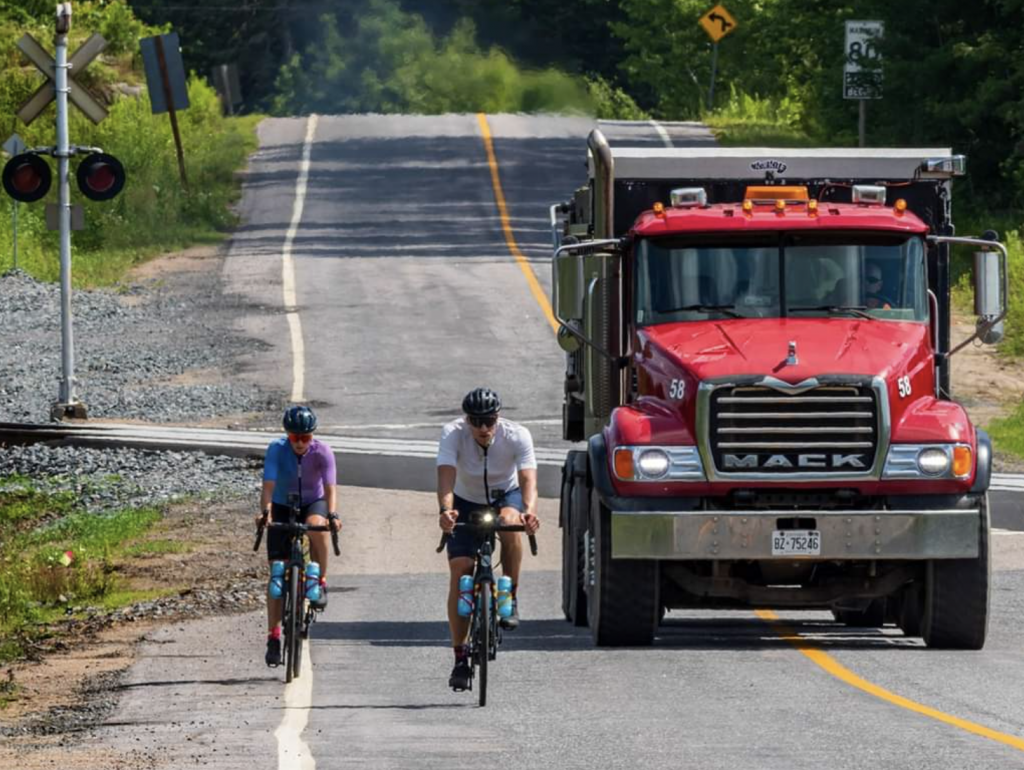
“One of the biggest things we learned is that you have to be ready to adapt. You can plan everything, but things will always happen that you can’t predict. The key is to stay calm and keep moving forward.”
Fuel sources range from carefully planned plant-based meals prepared on the road to occasional roadside stops.
“Whenever we saw a Subway, it felt like a luxury,” Carriere laughs. “A veggie wrap suddenly felt like the best meal in the world.”
Yet the comparison with the whimbrel is never far from their minds — a bird capable of flying thousands of kilometres across oceans without rest.
“Migration is already incredibly demanding,” Döbert says. “But on top of those natural challenges we’ve added many human ones – habitat loss, pollution, hunting and climate change.”
“Migration is already incredibly demanding. But on top of those natural challenges we’ve added many human ones - habitat loss, pollution, hunting and climate change.”
Inspiring the Next Generation
Education is another cornerstone of the project.
Through a partnership with the educational platform Exploring by the Seat of your Pants, the expedition will connect with classrooms around the world through weekly virtual sessions, allowing students to follow and be inspired by the journey in real time.
Each week the team will share stories from the road, answer questions from students and explore topics ranging from biodiversity and migration to climate science and exploration.
“Young people are incredibly powerful ambassadors,” Döbert says. “It’s often easier to inspire change through children, because they bring those ideas home to their families.”
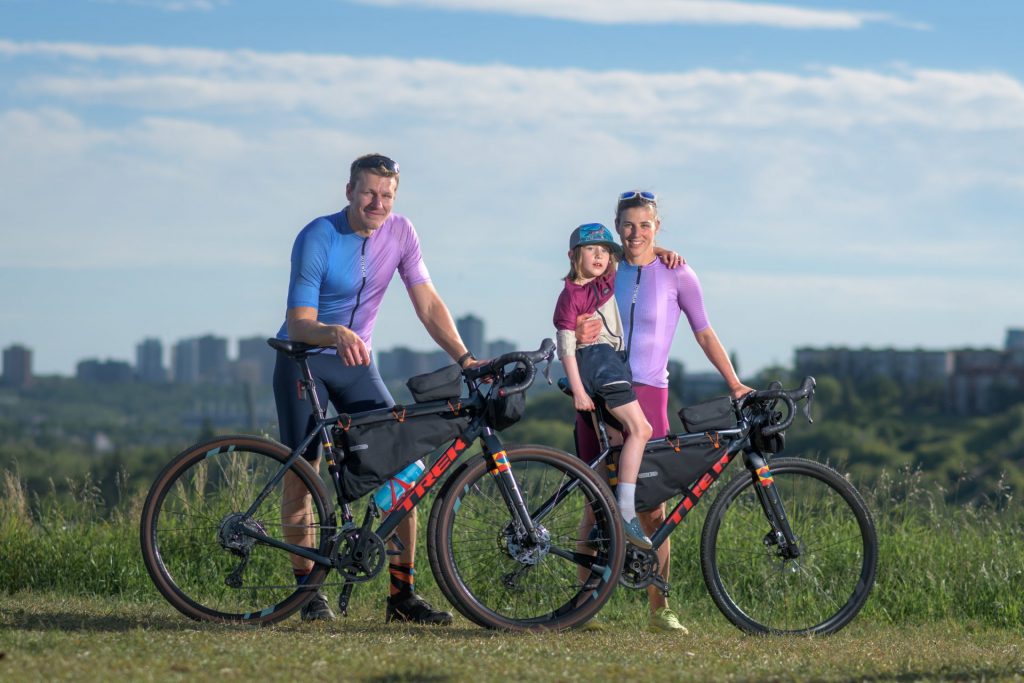
“Young people are incredibly powerful ambassadors. It’s often easier to inspire change through children, because they bring those ideas home to their families.”
Carriere’s daughter will also join the expedition during various stages, reinforcing the personal dimension of the project.
“The idea that kids can follow the whole journey from start to finish is really exciting,” Carriere says. “If it inspires even a few of them to care more about the planet, that would be amazing.”
“The idea that kids can follow the whole journey from start to finish is really exciting. If it inspires even a few of them to care more about the planet, that would be amazing.”
A Growing Community Around the Journey
The scale of the expedition means it is also supported by a growing network of partners helping bring the vision to life. Cycling brand Trek has offered to provide the expedition bikes, which are being specially prepared for the demands of this nine-month transcontinental journey, while educational partners are helping expand the project’s global classroom outreach.
Global Sustainable Sport has followed the development of the Wings of Survival project for the past two years, helping to share the story and connect the expedition with the wider sport and sustainability community, and will continue to do so as a media and sustainability partner as their journey unfolds.
To help close the remaining funding gaps, the team launched the “Wings of Survival 100” initiative, inviting organisations and individuals to contribute a minimum of $1,000 each to support the expedition and its scientific, educational and storytelling ambitions.
As Döbert explains, the idea is not simply fundraising but building a community around the journey itself.
“This expedition is about reaching as many people as possible,” he says. “If organisations and individuals come together to support its impact, they also become part of the story.”
“This expedition is about reaching as many people as possible. If organisations and individuals come together to support its impact, they also become part of the story.”
A Story Designed to Travel
Ultimately, Wings of Survival is designed as a storytelling platform.
Real-time expedition mapping, soundscape recordings from the ecosystems they encounter, and daily video footage will allow audiences to follow the journey as it unfolds. A feature-length documentary is also already in the development phase, capturing the expedition and its broader environmental message.
But for Döbert, the most important destination is not the southern tip of the Americas.
“If we can shift people’s perspective, from humans as exploiters of nature to humans as guardians of the web of life, then the expedition will have achieved a big step towards a better future.”
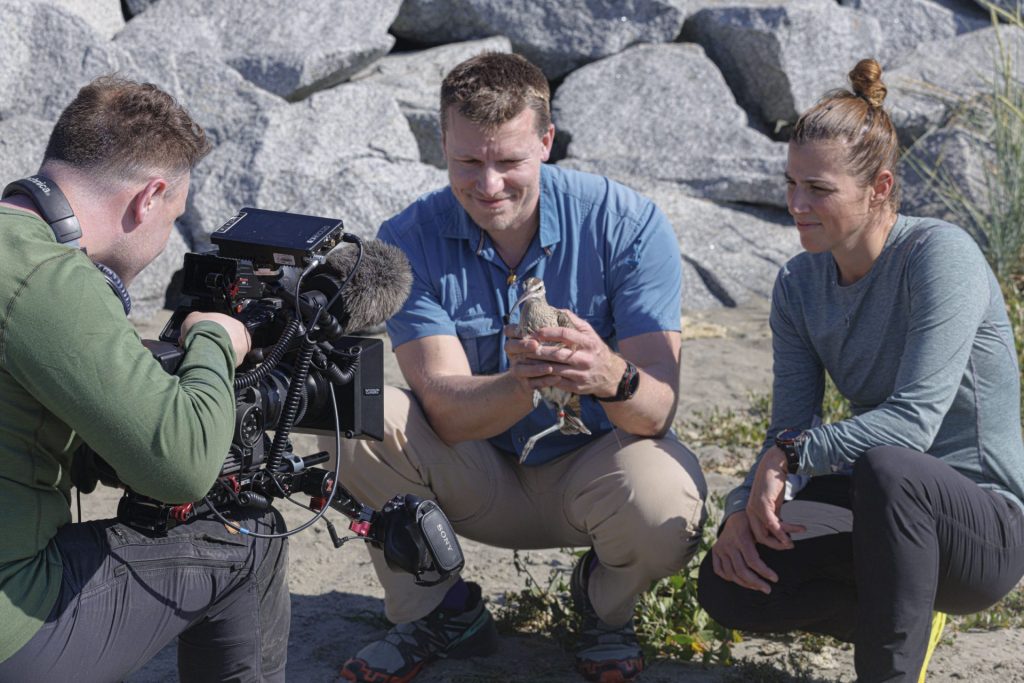
“If we can shift people’s perspective, from humans as exploiters of nature to humans as guardians of the web of life, then the expedition will have achieved a big step towards a better future.”
If all goes to plan, Döbert and Carriere may even encounter the same GPS-tracked whimbrels again along the flyway, completing a remarkable human attempt to follow one of nature’s most extraordinary travellers.
For more information and to support visit www.wingsofsurvival.com.
Read moreWings of Survival












Join the GSS Alliance Partners programme today
Stay ahead of the game with our FREE weekly newsletter, delivering the latest sport and sustainability news from around the globe straight to your inbox
11th Hour Racing
Join the GSS Network programme today





Register for GSS Workshops today
Join the GSS Education programme today