
To access our unique news archive of over 1,400 articles with insights on over 500+ sustainable sports organisations, join the GSS Network today.
Login here if you are a registered network subscriber.
News article
Break Point: LTA and Loughborough research puts climate resilience at the heart of tennis
Climate change is beginning to reshape the conditions in which sport is played, watched and delivered – and tennis is particularly exposed. Now the LTA and Loughborough University have launched a major new research partnership designed to understand what a changing climate could mean for tennis and padel across Britain, and how the sports can prepare for the challenges ahead.

From extreme heat to flooding
The new project, titled Break Point: What Can Tennis Do to Mitigate and Adapt to Climate Change?, brings together expertise spanning climate science, sport, geography, management and sustainability.
Researchers will examine how rising temperatures, flooding and increasingly adverse weather conditions could affect events, facilities, communities and participation. Crucially, the project is intended not simply to identify the risks, but to develop practical solutions that can help tennis and padel adapt and continue to thrive.
The challenges are already becoming visible.
Major tournaments including the French Open and Australian Open have experienced disruption from extreme heat and humidity, while British tennis has faced similar pressures. This summer, both the Lexus Eastbourne Open and The Championships, Wimbledon were affected by periods of extreme heat.
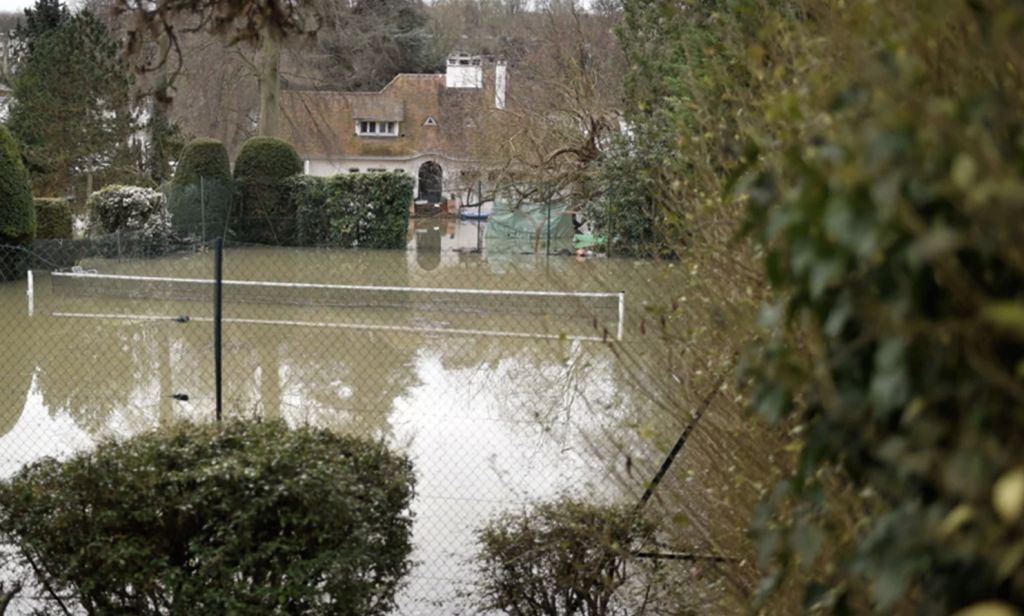
For grassroots tennis, however, the threat can look very different. More extreme rainfall and rising sea levels are increasing the potential for flooding, with flood damage already being observed at community venues.
Understanding vulnerability across the game
One of the most significant aspects of Break Point is its focus beyond elite competition.
The research will consider thousands of tennis and padel venues across Britain, including clubs, parks, schools, universities, community facilities and commercial operators. The initial phase will assess how the climate crisis could affect these facilities before researchers engage with players, coaches and volunteers to understand how changing conditions could influence behaviour and participation.
That approach could provide valuable insight into one of the less explored dimensions of climate change and sport: not simply whether facilities can withstand extreme weather, but whether people continue to use them in the same way.
Dr Mark Doidge, Reader in Sociology of Sport at Loughborough University and lead researcher on the project, believes the need to adapt is becoming increasingly urgent.
“We are already experiencing the impact of climate change on sport. Tennis, like all sport, needs to adapt and soon.”
Doidge said the project would help the LTA identify the tennis venues most at risk, bringing together an interdisciplinary team to better understand the challenges ahead.
“We are already experiencing the impact of climate change on sport. Tennis, like all sport, needs to adapt and soon.”
Turning research into action
The ambition is ultimately to translate the findings into practical interventions.
The project will develop recommendations and resources to support both climate mitigation and adaptation across British tennis. For the LTA, understanding where and how the greatest risks are likely to emerge should provide a stronger evidence base for future decisions around facilities, participation and investment.
Jack Baker, LTA Head of Public Policy and Sustainability, said the research would help move the conversation from recognising climate risk towards understanding what tennis can actually do about it.
“We know that the climate crisis is already impacting tennis and padel at all levels around the world and across Britain.”
Baker said the partnership would enable the LTA to understand the implications of different climate impacts and identify the “adaptations and interventions” needed to support a thriving sport for generations to come.
The research team reflects the breadth of the challenge. Alongside Doidge are Professor Dapeng Yu, an expert in flood-risk analysis and hydrodynamic modelling, and Dr Richard Hodgkins, a specialist in climate literacy and climate modelling.
“We know that the climate crisis is already impacting tennis and padel at all levels around the world and across Britain.”
Protecting sport at community level
The involvement of Sport England also highlights the wider significance of the project.
Community sports facilities provide far more than somewhere to play. They are local assets supporting physical activity, social interaction and community connection – meaning climate-related disruption can create consequences well beyond sport itself.
Denise Ludlam, Environmental Sustainability Strategic Lead at Sport England, emphasised why protecting those facilities matters.
“Grassroots facilities are the heart of their communities, providing accessible places for people of all ages and backgrounds to be active, connect with others and get active.”
Ludlam said Break Point should help build a clearer picture of how the climate crisis could affect thousands of tennis and padel venues across Britain, while helping facilities adapt and become more resilient.
“Grassroots facilities are the heart of their communities, providing accessible places for people of all ages and backgrounds to be active, connect with others and get active.”
Building resilience into the future of tennis
Break Point represents an important development in the sustainability conversation. Reducing sport’s environmental footprint remains essential, but organisations increasingly also need to understand how the consequences of a changing climate could affect their own operations, infrastructure and communities.
For tennis, that could mean everything from managing players and spectators during extreme heat to protecting courts from flooding, reconsidering facility resilience and ensuring that changing weather patterns do not become another barrier to participation.
The significance of the project is also its attempt to connect climate science directly with the day-to-day realities of sport. By combining Loughborough University’s academic expertise with the LTA’s understanding of tennis and its nationwide network of venues, Break Point has the potential to turn climate projections into practical decisions at both national and community level.
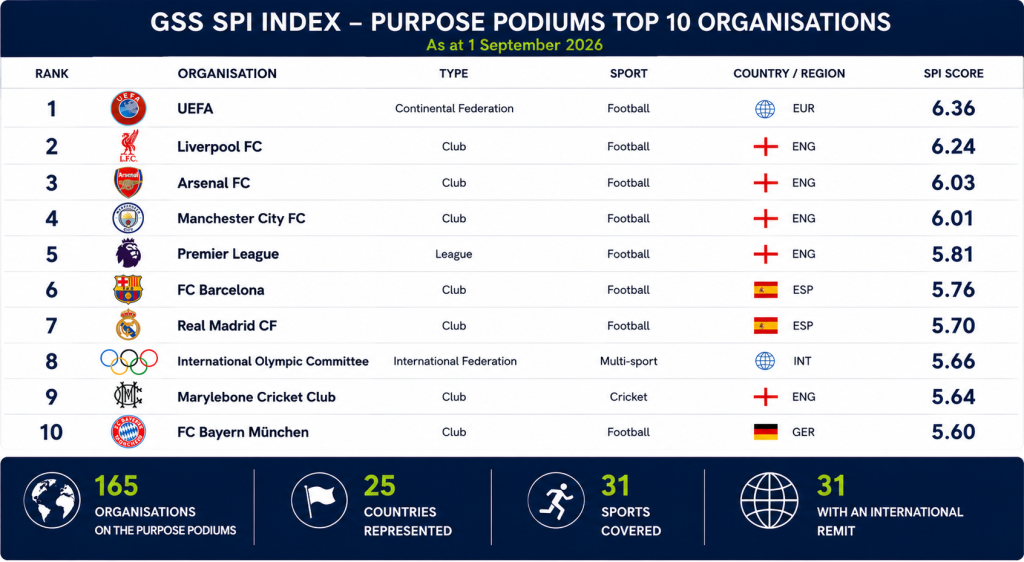
The initiative also reinforces the LTA’s wider sustainability credentials. The organisation is currently ranked in the Global Top 10 of the Global Sustainable Sport SPI Index, with a C+ — Purpose Advanced rating, recognising its developing approach to sustainability, purpose and impact.
And there is a wider lesson for sport. Sustainability can no longer be considered solely through the lens of reducing emissions and environmental impact. Increasingly, governing bodies, leagues, clubs and venues also need to ask how resilient their sports are to the climate conditions that are already emerging.
For the LTA, Break Point provides an opportunity to build that understanding before some of those risks become more difficult – and potentially more expensive – to manage. Climate adaptation is rapidly becoming as important to the future resilience of sport as climate mitigation, and the organisations that understand their vulnerabilities today will be better positioned to protect their facilities, participants and communities tomorrow.
Read moreLTA














Join the GSS Alliance Partners programme today
Stay ahead of the game with our FREE weekly newsletter, delivering the latest sport and sustainability news from around the globe straight to your inbox



11th Hour Racing
Join the GSS Network programme today

15-16 October, 2026
Gtech Community Stadium,
London (UK)
The SPX Purpose League Summit is a working summit for decision-makers interested in activating sport in a purpose-led way. Attendees will leave with an aligned peer network, data-backed insights, and the strategic commercial toolkits to transform sponsorship from an outsourced marketing expense into the single greatest driver of value.





Register for GSS Workshops today
Join the GSS Education programme today