
To access our unique news archive of over 1,400 articles with insights on over 500+ sustainable sports organisations, join the GSS Network today.
Login here if you are a registered network subscriber.
News article
Brazilian Football at a Crossroads: Governance, Integrity and the Battle for the Future
Brazilian football is facing one of the most significant governance debates in its modern history. While the country's clubs continue to attract investment, develop world-class talent and expand their commercial reach, growing tensions over league governance, broadcast revenues and competition scheduling have exposed deep divisions within the domestic game.
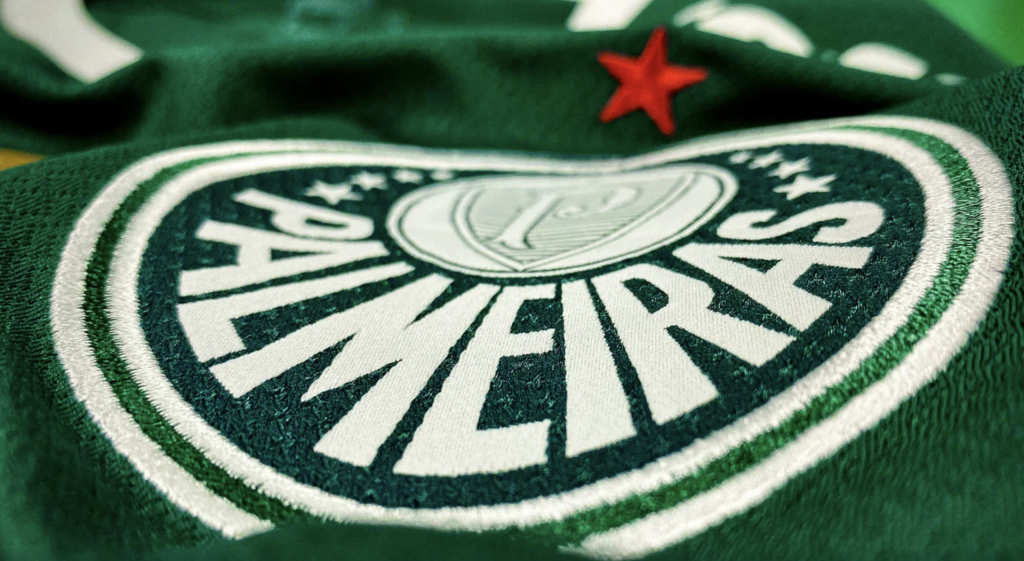
At the centre of the debate is LiBRA (Liga do Futebol Brasileiro), the organisation established in 2022 with the ambition of creating a more unified and commercially sustainable future for Brazilian football. That vision suffered a major setback in May when Palmeiras announced its departure from the group, raising fresh questions about whether the country’s clubs can align around a common vision.
In its official statement, Palmeiras argued that LiBRA had moved away from its founding purpose.
“LiBRA ended up distancing itself from its original purposes, consolidating itself, in practice, as a heterogeneous group dedicated exclusively to dealing with individual interests.”
The departure of one of Brazil’s most influential clubs has highlighted the challenges involved in balancing commercial interests with collective governance.
"LiBRA ended up distancing itself from its original purposes, consolidating itself, in practice, as a heterogeneous group dedicated exclusively to dealing with individual interests."
Governance, Revenues and Reform
The decision followed the approval of a new broadcast rights agreement among LiBRA clubs, a development that reportedly intensified existing tensions over revenue distribution and decision-making.
Palmeiras also criticised what it described as “selfish – if not predatory – attitudes” within the organisation, suggesting that consensus had become increasingly difficult to achieve.
In response, LiBRA has sought to reassure stakeholders that it remains committed to reform. During a General Assembly in São Paulo, member clubs approved governance changes, management restructuring and a new work programme focused on strengthening the league’s long-term commercial model.
The organisation stated that:
“LIBRA remains committed to an increasingly professional and sustainable league model, driven by collective construction among clubs.”
Following Palmeiras’ departure, LiBRA moved quickly to demonstrate stability and maintain momentum. On 22 May 2026, member clubs approved the organisation’s 2025 accounts and launched what they described as a “new cycle of institutional strengthening and strategic alignment”. The reforms included management restructuring, the formal departure of executive Silvio Matos and the strengthening of LiBRA’s Business Committee, which will play a central role in future commercial and institutional discussions. The measures underline LiBRA’s determination to continue building a professional and sustainable league model despite the loss of one of its most prominent founding members.
"LIBRA remains committed to an increasingly professional and sustainable league model, driven by collective construction among clubs."
A Calendar Crisis for Clubs
At the same time, clubs are facing growing frustration over the scheduling of the 2026 Brasileirão during the FIFA World Cup.
Teams including Flamengo and Palmeiras have been required to play key league fixtures while several players are away representing their national teams. The issue has reignited a long-running debate about the relationship between the Brazilian Football Confederation (CBF), the national team and the domestic championship.
In a strongly worded statement, Flamengo argued that the current structure creates an inherent conflict.
“When the same entity is responsible for the Brazilian National Team and the main national championship, someone ends up being harmed in this conflict of interests.”
The club further argued that fans are ultimately the biggest losers when leading players are unavailable for important domestic fixtures.
“The quality of the spectacle is compromised, competitive integrity is affected, and the product loses value.”
The concerns reflect a broader challenge facing football globally: how to balance increasingly congested international calendars with the integrity and commercial value of domestic competitions.
"When the same entity is responsible for the Brazilian National Team and the main national championship, someone ends up being harmed in this conflict of interests ... the quality of the spectacle is compromised, competitive integrity is affected, and the product loses value."
Purpose Beyond the Pitch
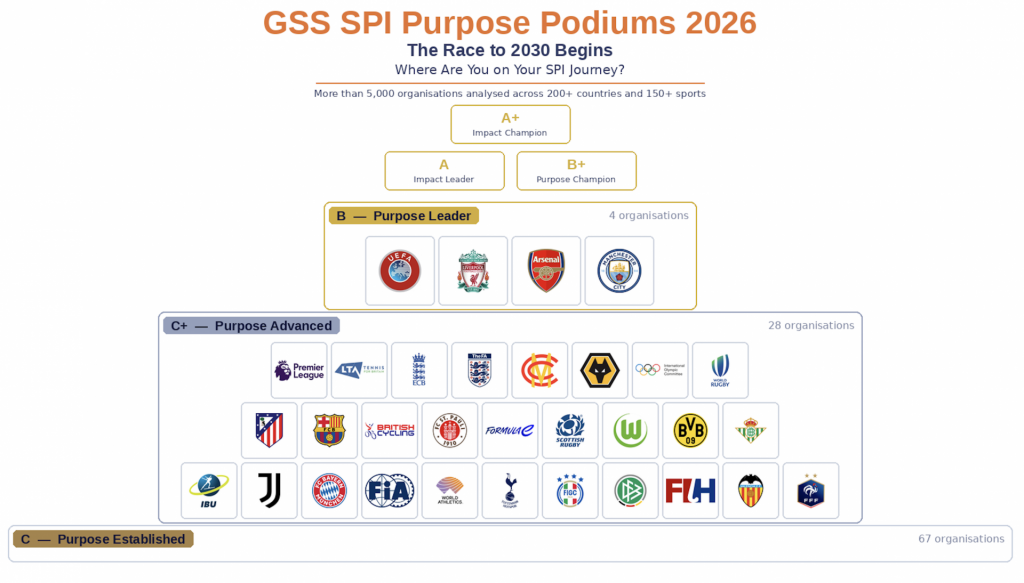
The debate comes at a time when both Flamengo and Palmeiras continue to be recognised among South America’s leading sports organisations for sustainability, purpose and impact. Within the forthcoming Global Sustainable Sport (GSS) SPI Index, both clubs are currently ranked among the Top 125 most purposeful sports organisations globally, reflecting growing efforts to strengthen governance, stakeholder engagement and long-term organisational development.
While the current dispute highlights differing views on the future direction of Brazilian football, it also demonstrates the increasing importance of effective leadership, transparent governance and long-term strategic thinking in shaping the sustainability of sport.
Whether the future lies with LiBRA, a broader club-led league model or a revised partnership with the CBF remains unclear. What is evident, however, is that Brazilian football has reached a pivotal moment. The decisions taken over governance, commercial strategy and competition management in the coming months may ultimately prove as important to the future of the game as anything that happens on the pitch.
Read morePalmeiras

Join the GSS Alliance Partners programme today
Stay ahead of the game with our FREE weekly newsletter, delivering the latest sport and sustainability news from around the globe straight to your inbox
11th Hour Racing
Join the GSS Network programme today


Register for GSS Workshops today
Join the GSS Education programme today